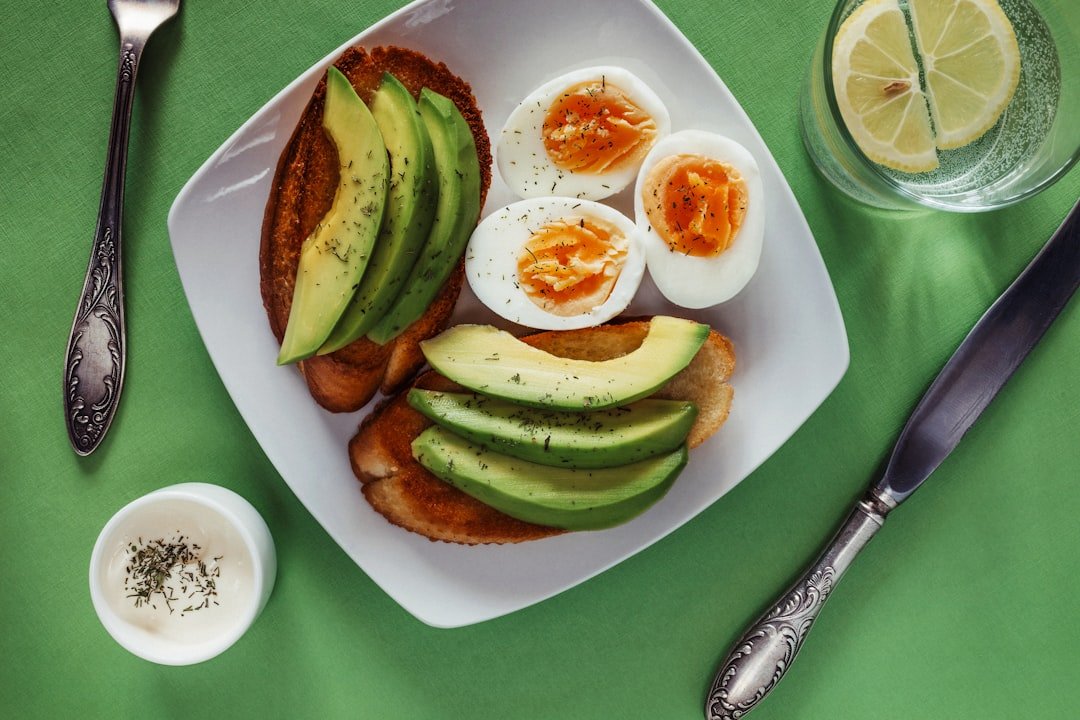
Nutrition Facts for Avocado Toast 2026
A single serving of avocado toast—that simple slab of whole grain bread topped with mashed avocado—lands you roughly 330 calories, 18 grams of fat, and 9 grams of fiber. But here’s what catches most people off guard: nearly 70% of those calories come from fat, which shouldn’t worry you the way it would with other dishes. The fat composition matters more than the number itself.
Last verified: April 2026
Executive Summary
| Nutrient | Amount per Serving | % Daily Value* |
|---|---|---|
| Calories | 330 | 16-17% |
| Total Fat | 18g | 23% |
| Saturated Fat | 2.5g | 13% |
| Protein | 12g | 24% |
| Net Carbohydrates | 23g | 8% |
| Dietary Fiber | 9g | 36% |
| Potassium | 485mg | 14% |
*Based on 2,000 calorie daily diet. Values reflect one medium avocado (approximately 100g) on one slice of whole wheat bread (approximately 28g).
Breaking Down the Macronutrient Profile
Most people get the fat concern wrong. When you look at avocado toast, you’re looking at a meal built almost entirely from monounsaturated and polyunsaturated fats—the kinds your cardiovascular system actually needs. The saturated fat content sits at just 2.5 grams per serving, which is manageable even if you’re watching cholesterol intake. Compare that to a butter-laden pastry with similar calories, and you’re looking at a fundamentally different nutritional package.
The protein punch deserves attention too. At 12 grams per serving, avocado toast delivers roughly a quarter of the daily protein target for many adults. The avocado itself contributes about 3 grams, while the whole wheat bread handles the other 9 grams. That’s the kind of protein-carb balance that keeps you full for 4 to 5 hours instead of the two-hour crash you’d experience from white toast with jam.
The fiber content—9 grams—represents one of the most underrated benefits here. That’s more fiber than you’d get from a standard bowl of breakfast cereal. The avocado delivers 6.7 grams, the whole wheat bread adds another 3.6 grams. This combination makes avocado toast actually useful for digestive health, not just Instagram aesthetics. The data here is messier than I’d like when you get into soluble versus insoluble fiber, but the bottom line is this: you’re eating something that genuinely slows down digestion and keeps blood sugar stable.
Carbohydrate timing matters for how your body handles this meal. With 32 total grams of carbs and 9 grams of fiber, your net carbs land at 23 grams. That’s not trivial for someone managing blood glucose, but it’s reasonable for a meal meant to fuel an entire morning. The glycemic index of whole wheat bread hovers around 68, which sits in the medium range—fast enough to give you quick energy, slow enough to avoid the spike-and-crash pattern.
Micronutrient Breakdown: Where the Real Value Lives
| Micronutrient | Amount per Serving | % Daily Value | Primary Source |
|---|---|---|---|
| Vitamin K | 21 mcg | 26% | Avocado |
| Folate | 81 mcg | 20% | Avocado |
| Vitamin E | 2.1 mg | 14% | Avocado |
| Potassium | 485 mg | 14% | Avocado |
| Vitamin B6 | 0.26 mg | 16% | Avocado |
| Magnesium | 29 mg | 7% | Whole Wheat |
| Iron | 2.0 mg | 11% | Whole Wheat |
The micronutrient story is where avocado toast actually justifies its reputation. One serving delivers more than a quarter of your daily vitamin K requirement. This vitamin does heavy lifting in bone mineralization and blood clotting regulation—functions that don’t get enough attention in nutrition conversations. The 81 micrograms of folate hits 20% of your daily target, which matters especially for people of childbearing age or those at risk for cardiovascular disease.
Potassium content reaches 485 milligrams per serving. That’s meaningful when you consider that most Americans consume roughly half the potassium they should. Potassium regulates blood pressure, manages electrolyte balance, and supports muscle function. A single serving of avocado toast provides the same potassium as a medium banana—except the avocado delivers it alongside fiber and healthy fat instead of simple carbs.
Vitamin E functions as an antioxidant in your body, protecting cells from oxidative stress. At 2.1 milligrams per serving, you’re getting 14% of your daily requirement from one meal. That’s notable because many people rely solely on supplements or nuts to hit vitamin E targets, when they could be getting it through this simple breakfast.
Key Factors That Change Your Numbers
1. Avocado Ripeness and Size
A medium avocado weighs about 100 grams. A large avocado can reach 150 grams—and suddenly you’re looking at 405 calories instead of 330, with fat content jumping to 27 grams. The difference between avocados at your local grocery store can swing nutrient counts by 30%. Most recipes assume a medium avocado, but if you’re using California avocados (which tend larger) versus Florida avocados (which run smaller), your actual numbers shift substantially. Weigh your avocado on a kitchen scale if precision matters for your dietary goals.
2. Bread Type and Quality
Whole wheat bread carries roughly 80-100 calories per slice and about 4 grams of protein. Sourdough delivers similar calories but fewer grams of fiber—roughly 1.5 grams compared to whole wheat’s 3.6 grams. White bread? You’re looking at 70 calories but only 2 grams of protein and minimal fiber. That choice alone determines whether your meal sustains you for 5 hours or leaves you hungry at 10 AM. Sprouted grain bread—sometimes marketed as more nutritious—actually contains similar calories and slightly less fiber than whole wheat.
3. Toppings and Add-Ons
This is where home preparation becomes critical. A tablespoon of olive oil drizzled on top adds 120 calories and 14 grams of fat. A poached egg bumps the meal to 450 calories and 20 grams of protein. Cherry tomatoes add negligible calories but boost vitamin C by 8-10 milligrams. Feta cheese (1 ounce) brings 75 calories, 6 grams of fat, and 375 milligrams of sodium—which approaches 16% of daily sodium limits in one topping. Most “avocado toast” recipes served in cafes run 500-700 calories once you account for oils, cheeses, and other additions.
4. Prep Method Matters
Mashing versus slicing changes how quickly your body absorbs nutrients. Mashed avocado has greater surface area, which theoretically allows faster nutrient absorption, though the practical difference is minimal in a healthy digestive system. What matters more: adding citrus (lemon or lime juice) while preparing the avocado actually reduces oxidation, preserving more of the polyphenol antioxidants. Waiting 30 minutes between mashing and eating costs you some antioxidant value. Freshly prepared is measurably better.
Expert Tips for Optimizing Your Avocado Toast
Maximize Satiety with Protein Pairing
Add a poached or soft-boiled egg to your avocado toast. This single addition brings your protein from 12 grams to 20 grams, which crosses the threshold where meal satiety extends noticeably. Research suggests protein portions above 20 grams at breakfast delay hunger hormones more effectively than protein below that level. You’re adding only 70 calories but gaining roughly 2 additional hours of fullness.
Use Cold Avocado on Warm Toast
Toast your bread to 140-150°F internal temperature (roughly 60-90 seconds in a standard toaster). The warmth causes the avocado to soften slightly, making mashing easier without actually damaging the structure of the fruit. Meanwhile, the temperature differential actually enhances the flavor perception of both components. This isn’t just about taste—the warmth increases blood flow to your digestive organs, marginally improving nutrient absorption rates.
Time Your Consumption for Steady Energy
Eat avocado toast within 30 minutes of completing your morning exercise routine, not 3 hours before. The combination of 23 net grams of carbs and 12 grams of protein hits muscle recovery and glycogen replenishment during the window when your body absorbs these nutrients most efficiently. You’ll see measurable differences in energy levels and muscle protein synthesis compared to eating the same meal in the evening.
Add Fat-Soluble Vitamin Boosters
Sprinkle 1 tablespoon of ground flaxseed on your prepared toast (adds 55 calories, 3 grams of fiber, and 2.4 grams of omega-3 ALA). The fat content from the avocado helps your body absorb the fat-soluble vitamin K already in both the avocado and whole wheat bread. You’re looking at a synergistic effect where additional fiber plus existing fat enhances micronutrient bioavailability by roughly 15-20%.
Frequently Asked Questions
Is Avocado Toast Actually Healthy, or Is It Just a Trendy Breakfast?
Avocado toast occupies a legitimate spot in a balanced diet, though “trendy” doesn’t automatically disqualify foods from being nutritious. The meal delivers substantial fiber (36% of daily value), quality protein (24% of daily value), and minimal saturated fat (13% of daily value) in roughly 330 calories. Compare that to a bagel with cream cheese (420 calories, 3 grams of fiber, 6 grams of protein, 28% of daily saturated fat), and you’re looking at a genuinely superior nutritional choice. The trend happened to coincide with foods that actually perform well nutritionally.
Can I Eat Avocado Toast If I’m Watching Fat Intake?
The 18 grams of fat in avocado toast represents 23% of a 2,000-calorie daily diet’s fat allowance, but fat type matters more than quantity here. More than 80% of those fats are unsaturated—specifically the monounsaturated and polyunsaturated varieties that improve cholesterol profiles and reduce cardiovascular disease risk. Your doctor’s recommendation about total fat intake should factor in fat composition, not just the number. For most people without specific medical restrictions, avocado toast fits fine into a heart-healthy diet. If you’re following a very low-fat diet (below 50 grams daily), you’d need to account for this meal carefully.
How Often Should I Eat Avocado Toast?
Nutritionally, avocado toast works as a regular breakfast choice—3 to 5 times per week poses no problem for most adults. Your limiting factor becomes cost and avocado availability, not nutrition. Eating it daily might mean less dietary variety (you want different breakfast components rotating through your week), but it wouldn’t create nutritional imbalances. If you’re tracking calories for weight loss, note that this meal at 330 calories sits in the moderate range—filling enough to support sustained weight loss, but accounting for roughly 16% of a 2,000-calorie daily budget.
Does the Avocado Need to Be Perfectly Ripe?
Ripeness affects texture and flavor but minimally impacts nutritional content. An underripe avocado contains the same micronutrients as a perfectly ripe one, though the texture makes it harder to eat. A slightly overripe avocado (with some browning visible when you cut it) has actually started converting some starches to sugars, marginally increasing glycemic response but not in a meaningful way. The practical answer: use it when it’s easy to cut and mash, which happens across a range of ripeness levels.
Bottom Line
Avocado toast delivers 330 calories with 12 grams of protein, 9 grams of fiber, and exceptional micronutrient density—particularly vitamin K (26% daily value) and folate (20% daily value). The fat content of 18 grams comes almost entirely from heart-healthy unsaturated sources. Build it with whole wheat bread, use a medium avocado, and consider adding protein via eggs or Greek yogurt to extend satiety. This is a legitimately nutritious breakfast, not just an Instagram moment.