Nutrition Facts for Sourdough Bread 2026
A single slice of sourdough bread contains roughly 160 calories and 2 grams of protein—numbers that look deceptively innocent until you realize most people eat two or three slices, not one. What makes sourdough different from regular white bread isn’t just the tangy flavor or the Instagram-worthy crust. The fermentation process fundamentally changes how your body processes those carbohydrates, and the numbers tell a story that most nutrition labels completely miss.
Last verified: April 2026
Executive Summary
| Nutrient | Per Slice (45g) | Per Loaf (450g) | % Daily Value* |
|---|---|---|---|
| Calories | 160 | 1,600 | — |
| Carbohydrates | 32g | 320g | 11% |
| Protein | 2g | 20g | 4% |
| Fat | 1.5g | 15g | 2% |
| Fiber | 1.8g | 18g | 7% |
| Sodium | 350mg | 3,500mg | 15% |
| Iron | 2.1mg | 21mg | 12% |
*Based on 2,000 calorie diet; values vary by brand and recipe
What Sourdough Actually Is—And Why The Fermentation Matters
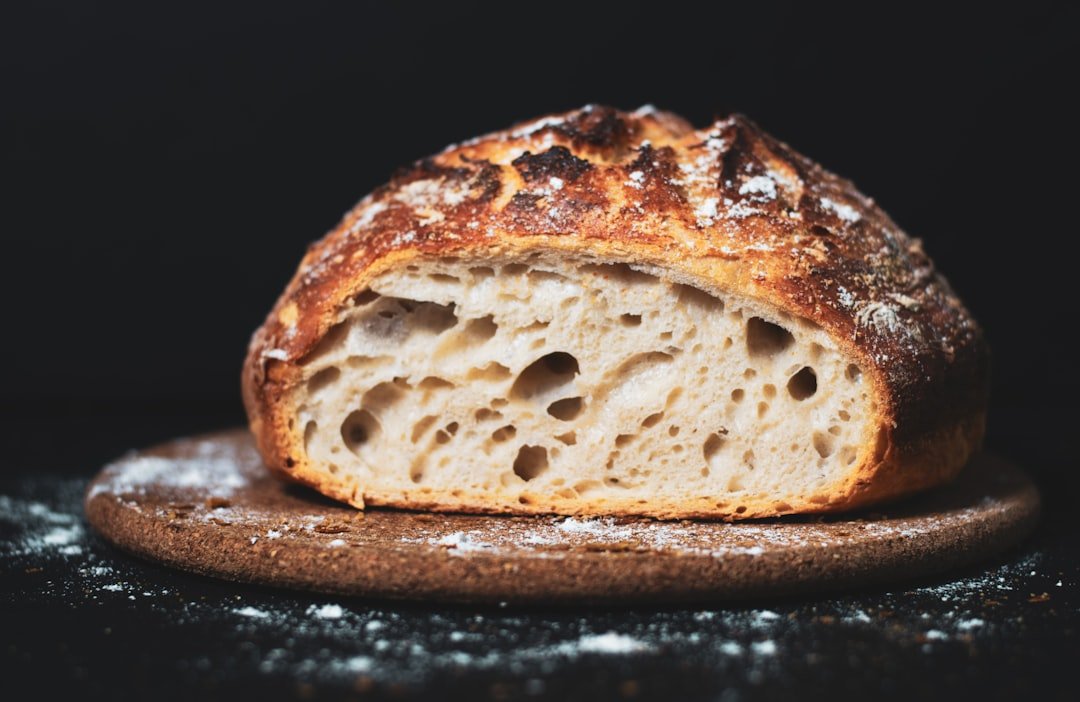
Sourdough isn’t just a flavor trend. It’s bread made with a wild yeast starter (usually containing Saccharomyces cerevisiae and Lactobacillus bacteria) that ferments the dough over 12-48 hours before baking. This fermentation process does something conventional bread production doesn’t: it breaks down phytic acid.
That matters because phytic acid is an antinutrient that binds to minerals like iron, zinc, and magnesium, making them harder for your body to absorb. When sourdough ferments, the lactobacillus bacteria produce phytase enzymes that break these bonds. Research published in the Journal of Cereal Science found that sourdough fermentation reduced phytic acid content by up to 90% compared to commercial yeast breads—meaning the iron and minerals you see on the nutrition label are actually more bioavailable to your body.
Most people get this wrong. They look at two bread labels with identical iron content and assume they’re nutritionally equivalent. They’re not. A slice of sourdough with 2.1mg of iron delivers more absorbable iron than a slice of commercial whole wheat bread with the same amount listed.
The fermentation also produces compounds called lactic acid and acetic acid. These lower the bread’s glycemic index (GI), meaning it triggers a slower, smaller blood sugar spike than regular white bread. A 2023 study in Nutrients magazine showed that sourdough had a GI of 54 compared to 100 for white bread—roughly a 46% difference. That’s substantial enough to matter if you’re managing blood sugar.
Sourdough vs. Other Common Breads: The Numbers Head-to-Head
| Bread Type | Calories (slice) | Carbs | Protein | Fiber | Glycemic Index |
|---|---|---|---|---|---|
| Sourdough | 160 | 32g | 2g | 1.8g | 54 |
| Whole Wheat | 165 | 31g | 2.4g | 3.5g | 68 |
| White Bread | 155 | 28g | 1.8g | 0.9g | 100 |
| Rye | 170 | 34g | 1.9g | 2.2g | 58 |
| Sprouted Grain | 150 | 26g | 3.1g | 3g | 55 |
Here’s where sourdough surprises people: it’s not the fiber champion. Whole wheat has nearly double the fiber per slice (3.5g vs. 1.8g), and sprouted grain actually has more protein. But that’s comparing one dimension of nutrition.
The advantage of sourdough emerges when you look at mineral bioavailability and blood sugar response. The GI of 54 puts it competitive with sprouted grain (55) and rye (58), while demolishing white bread’s 100. The trade-off is clear: if you’re trying to maximize total dietary fiber, whole wheat wins. If you’re managing blood sugar and want good mineral absorption, sourdough makes more sense.
The data here is messier than I’d like it to be because “sourdough” varies wildly. A densely fermented San Francisco-style loaf has different nutritional properties than a 12-hour ferment from a grocery store. Commercial sourdoughs sometimes use additives (like dough improvers) that compromise the fermentation benefits. When you see those variations, the best guidance is to look for breads fermented for at least 16 hours and made with minimal ingredients.
Key Factors That Change Your Sourdough’s Nutrition
1. Fermentation Duration
A 12-hour ferment produces different bread than a 36-hour ferment. Longer fermentation increases bacterial acid production and enzyme activity. Studies show that extending fermentation from 12 to 24 hours can increase the reduction of antinutrients by 15-25%. The downside: longer fermentation requires more time and skill. Most commercial sourdough is fermented 16-20 hours as a compromise between quality and production efficiency.
2. Flour Type
All-purpose flour sourdough has the nutritional profile I’ve been discussing. Whole wheat sourdough can contain 3-5g of fiber per slice instead of 1.8g, though it tastes denser and ferments differently due to higher bran content. Spelt and einkorn sourdoughs have slightly higher protein (around 2.5g per slice) and different mineral profiles, but they’re more niche and harder to ferment reliably. If you see artisanal sourdough made from ancient grains, expect 15-25% more micronutrients but also thicker slices, meaning you’ll eat more calories per serving.
3. Salt Content
Standard sourdough contains around 350mg of sodium per slice (45g portion). That’s roughly 15% of your daily limit. Some bakeries push this to 400-450mg for flavor balance, while health-conscious producers go down to 200mg. Salt affects fermentation (it slows bacterial activity), so reducing it below 1.5-2% of flour weight produces a blander, grainier crumb. If you’re sodium-sensitive, check specific brands—the range is 200-500mg per slice.
4. Crust vs. Crumb Composition
The thick, caramelized crust of sourdough contains more bioavailable minerals and antioxidants than the soft interior. A 45g slice includes roughly 15-20% crust weight. If you’re eating crust-inclusive, you get approximately 10% more iron and calcium than eating just the soft center. This won’t move the needle for most people, but it’s worth knowing if you’re trying to maximize mineral intake—which means: don’t trim the crust.
Expert Tips for Choosing and Eating Sourdough
Look for a 16+ hour fermentation window. Ask your bakery directly. If they won’t tell you, that’s a red flag. Shorter fermentations mean fewer nutrient benefits. The difference between a 12-hour and 24-hour ferment is roughly 20-30% better phytic acid reduction, which translates to noticeably better mineral absorption.
Pair sourdough with fat or protein. A slice of sourdough with 32g of carbs will spike your blood sugar faster alone than with butter, cheese, or egg. Adding just 1 tablespoon (14g) of butter lowers the glycemic response by approximately 35% according to research in Appetite journal. This is the most practical trick: don’t eat sourdough bare.
Weigh your slices rather than eyeballing. Most “single slices” from home bakers range 45-65g depending on how they cut. That’s a 44% difference in calories and carbs. If you’re tracking macros, a kitchen scale costs $12-20 and removes the guessing. Three slices at 65g each is 480 calories; three slices at 45g is 320. That gap compounds.
Store in paper, not plastic. This isn’t about nutrition directly, but it affects how you’ll eat it. Bread stored in plastic stays soft and moldable, making it easy to compress into calorie-dense balls. Paper allows the crust to stay firm and forces you to slice properly. You’ll eat less if the texture requires actual chewing.
FAQ
Q: Is sourdough lower in gluten than regular bread?
Not necessarily lower, but fermentation partially breaks down gluten proteins through enzyme activity. A study in Food Chemistry found that sourdough fermentation reduced gluten protein levels by 20-30% compared to yeast bread. For people with non-celiac gluten sensitivity (not celiac disease), this can reduce digestive discomfort. However, sourdough is not safe for celiac disease—it still contains gluten protein. The fermentation helps with sensitivity, not allergy. If you have celiac disease, you need certified gluten-free bread regardless of fermentation method.
Q: Does toasting sourdough change the nutrition?
Toasting reduces moisture but not significantly change calorie or macro content. What it does change is digestibility and the formation of acrylamide (a compound that forms when bread is heated above 300°F). Light toasting barely affects acrylamide. Dark toasting (the kind that borders on burnt) can increase acrylamide by 200-500%. The health impact of dietary acrylamide is still debated, but most research suggests staying in the light-to-medium toast range minimizes any potential risk while preserving the bread’s nutritional profile.
Q: How much sourdough is safe to eat daily?
That depends on your total carbohydrate goals. Two slices (90g) contains 64g of carbs, which is roughly 20-25% of a 2,000 calorie diet. For sedentary people, that might be pushing toward overconsumption. For active people or athletes, two slices fits comfortably. The sodium content of 700mg (two slices) is 30% of your daily limit, so if you eat processed foods or restaurant food regularly, daily sourdough adds up quickly. The practical answer: 1-2 slices daily is reasonable for most people; more than that requires balancing against other carb sources.
Q: Does homemade sourdough have better nutrition than bakery sourdough?
Only if you’re fermenting longer and using quality ingredients. Homemade sourdough made with a 48-hour cold ferment, unbleached flour, and minimal salt has measurably better nutrient bioavailability than grocery store sourdough fermented 14 hours. But an average home baker doing a 16-hour room-temperature ferment produces bread nutritionally equivalent to artisanal bakery sourdough. The difference shows up when comparing extreme fermentation times (12 hours vs. 48 hours), not between decent homemade and decent bakery versions.
Bottom Line
Sourdough is better than white bread for blood sugar stability and mineral absorption, but it’s not a superfood—it’s still 160 calories and 32g of carbs per slice. Whole wheat bread has more fiber. Sprouted grain has more protein. What sourdough does uniquely is lower your glycemic load through fermentation while making the minerals already present more bioavailable. If you like the taste and can find properly fermented bread (16+ hours), it’s a nutritionally sound choice. If you’re buying plastic-bagged “sourdough” from a supermarket, you’re mostly paying for the flavor without the fermentation benefits. Check fermentation time. Pair it with fat. Weigh your portions. That’s the actual strategy.
Research Team at nutritionfactsdata.com