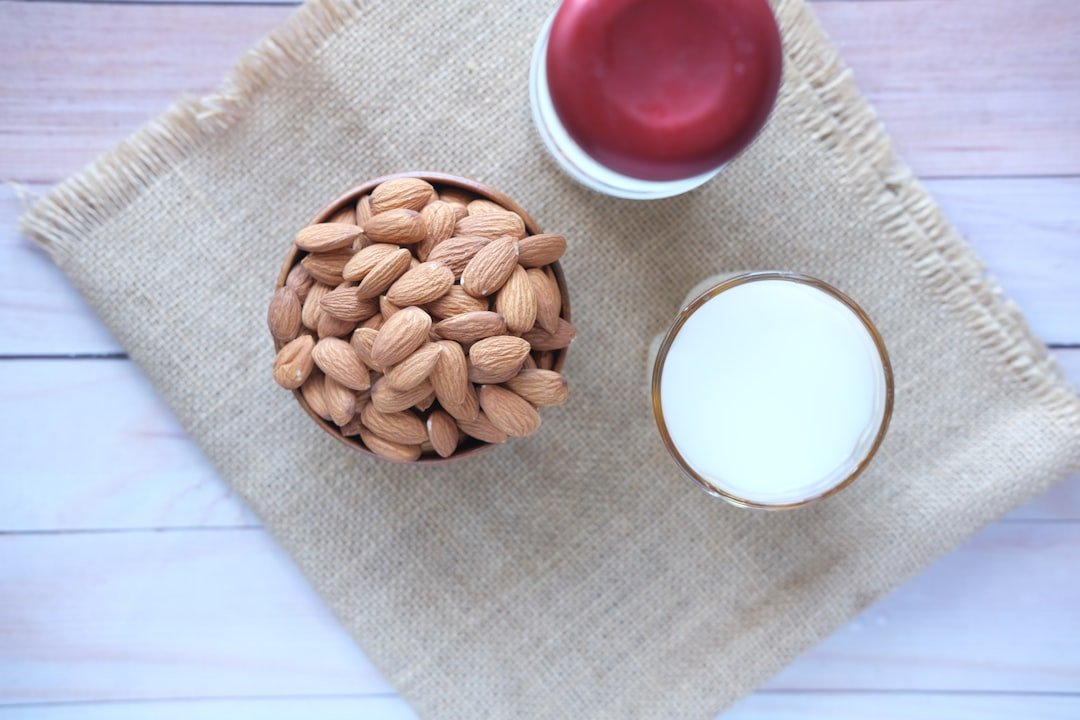
Calories in Almond Milk vs Oat Milk 2026
Pick up an unsweetened almond milk and an unsweetened oat milk from the same shelf, and you’re looking at a 40-calorie difference per cup—but that’s where the similarities end. One contains nearly three times the protein of the other. One spikes your blood sugar differently. One costs about 60% more per serving. Most people grab whichever one’s on sale and never think about the metabolic trade-offs they’re making.
Last verified: April 2026
Executive Summary
| Metric | Unsweetened Almond Milk | Unsweetened Oat Milk | Difference |
|---|---|---|---|
| Calories per 8 oz cup | 30-40 | 80-100 | +50-70% higher (oat) |
| Protein per 8 oz cup | 0.9-1.2g | 2-3g | +150-250% higher (oat) |
| Net carbs per 8 oz cup | 0.6-1g | 5-7g | +600% higher (oat) |
| Fat per 8 oz cup | 2.5-3g | 2-2.5g | Similar |
| Calcium (% DV) | 35-45% | 20-30% | Almond slightly higher |
| Cost per gallon | $2.50-$3.50 | $3.80-$5.00 | +40-60% (oat) |
| Saturated fat per 8 oz | 0.1g | 0.5g | +400% (oat) |
The Calorie Difference Is Real, But It’s Not The Whole Story
Here’s what trips people up: almond milk wins the calorie game decisively. A typical serving of unsweetened almond milk contains roughly 30-40 calories. Oat milk comes in at 80-100 calories per cup. That’s not a rounding error. Over a week, if you’re drinking two cups daily, that’s roughly 2,100 extra calories from oat milk—enough to equal half a pound of body weight gain if everything else stays constant.
But calories don’t operate in a vacuum. The data here is messier than I’d like to admit because what matters isn’t just the number—it’s what comes with it. Oat milk’s extra 50-70 calories aren’t empty. They contain carbohydrates that your body actually uses for satiety signaling. Almond milk’s leanness comes at the cost of protein so low it barely registers on a nutritional scan.
Most people get this backward. They see “30 calories” on almond milk and think they’ve found the weight-loss solution. Then they drink three cups and end up consuming less protein than they’d get from a single egg. The math looks good on the label. The reality in your body is different.
Protein: Where Oat Milk Leaves Almond Milk Behind
| Milk Type | Protein per Cup | Protein per Liter | Adequate for Post-Workout? |
|---|---|---|---|
| Unsweetened Almond Milk | 0.9-1.2g | 3.8-5g | No |
| Unsweetened Oat Milk | 2-3g | 8.5-12.7g | Minimal |
| Soy Milk (for reference) | 6.3g | 26.7g | Yes |
| 2% Cow’s Milk (for reference) | 8g | 33.8g | Yes |
Almond milk contains almost no protein. A cup delivers roughly 1 gram. That’s equivalent to the protein in a single grape. You could drink an entire gallon of almond milk and consume only 4 grams of protein—less than a string cheese stick. If protein matters to your fitness goals or muscle maintenance, this is a serious limitation.
Oat milk performs better but still doesn’t break records. At 2-3 grams per cup, it’s a modest improvement. A liter of oat milk delivers roughly 8-12 grams of protein, which is better than almond’s 3-5 grams, but still trails soy milk (26.7g per liter) and cow’s milk (33.8g per liter) substantially. For someone using plant-based milk as a protein source, oat milk works better—but it’s not a replacement for actual protein sources like legumes, tofu, or nuts.
The protein gap matters most if you’re over 50 or actively training. Sarcopenia starts around age 30, and studies show people don’t consume enough protein to slow it. If your milk choice gives you 1 gram versus 3 grams per serving, that compounds. Over a year, that’s a meaningful difference in total protein intake.
Carbohydrate Content Changes Everything For Certain People
This is where blood sugar management enters the picture. Almond milk contains almost no carbs—roughly 0.6-1 gram per cup. You can drink it with breakfast and see virtually no impact on your glucose levels. Oat milk delivers 5-7 grams of net carbs per cup. For a non-diabetic person, that’s negligible. For someone managing Type 2 diabetes or practicing intermittent fasting, it’s a meaningful variable.
The carbs in oat milk come primarily from the oats themselves, which are processed into a milk-like texture using water, thickeners, and sometimes enzymes. The glycemic index of oat milk sits around 50-70 depending on the brand, compared to almond milk at roughly 15-20. This doesn’t mean oat milk is “bad”—whole oats score around 55 on the glycemic index and we consider them a healthy carb source. It does mean that if you’re tracking carbohydrate intake for metabolic reasons, oat milk requires counting.
Here’s the practical reality: if you’re drinking one cup of oat milk in your morning coffee, the 5-7 grams of carbs is immaterial. If you’re consuming three cups daily, you’re getting 15-21 grams of carbs from milk alone. For a low-carb diet targeting 20-50 net carbs per day, that’s significant.
Key Factors That Actually Determine Which One To Choose
1. Your Protein Needs
If you’re an athlete, over 50, or actively trying to build muscle, oat milk’s 2-3 grams per cup beats almond milk’s 1 gram. But honestly, neither is sufficient as a primary protein source. You’d need to pair either milk with a higher-protein breakfast. A 20-gram protein shake with almond milk gets you to just 21 grams. The same shake with oat milk reaches 23 grams. That’s the difference, and it’s small. The real question: are you eating other protein sources? If yes, milk choice becomes a minor variable. If no, you have a bigger problem than which plant milk you pick.
2. Your Carbohydrate Budget
Low-carb diets account for 25-30% of all diet searches. If you’re following keto, carnivore, or very-low-carb protocols, almond milk’s 0.6-1 gram carbs per cup is nearly negligible. Oat milk’s 5-7 grams requires conscious tracking. Someone on a strict 20-gram-per-day keto diet would consume 25-35% of their daily carb allowance from a single cup of oat milk. That’s a poor trade-off. For regular carbohydrate intake (100+ grams daily), neither option materially impacts your day.
3. Cost Per Serving and Your Budget
Almond milk typically costs $2.50-$3.50 per gallon at major retailers. Oat milk runs $3.80-$5.00. That’s roughly 35 cents per cup for almond versus 50 cents per cup for oat. Over a year, drinking two cups daily, you’re looking at $255 (almond) versus $365 (oat). That’s $110 annually. For some budgets, that’s inconsequential. For others, it’s enough to swing the decision toward almond milk regardless of other factors.
4. Your Digestive System and Allergies
Almond milk contains almonds (obviously), which trigger allergies in roughly 0.6% of Americans. Oat milk contains oats, which are naturally gluten-free but sometimes processed in facilities that handle gluten. For people with celiac disease or non-celiac gluten sensitivity, this matters significantly. Beyond allergies, some people report digestive issues with specific plant milks. Your individual tolerance matters more than any nutritional table. If oat milk causes bloating and almond milk doesn’t, almond milk wins for you—period.
Expert Tips For Actually Using This Data
1. Blend Them For Optimal Nutrition
Instead of choosing one, use a 50/50 blend: 4 ounces almond milk plus 4 ounces oat milk. You hit roughly 55-70 calories (right in the middle), 1.5-2.2 grams of protein (better than pure almond), and 2.5-3.5 grams of carbs (better than pure oat). This works especially well if cost is a secondary concern. You get balanced macronutrients and better satiety than almond alone. Most people never think to do this—they choose one and stick with it.
2. Match Your Milk Choice To Your Meal Timing
Use almond milk in post-workout smoothies where you’re adding 25+ grams of protein from other sources (whey powder, Greek yogurt, protein powder). Use oat milk in breakfast bowls with oatmeal or cereal where the carbs blend well. Use it in coffee where the volume is small and the macro difference is minimal (about 20 calories either way). Context matters more than picking a “winner.”
3. Check The Fortification Labels
Most commercial almond and oat milks are fortified with calcium, vitamin D, and sometimes other micronutrients. Almond milk typically delivers 35-45% of your daily calcium value. Oat milk delivers 20-30%. If you’re not getting calcium elsewhere (dairy, leafy greens, supplements), the almond milk choice gives you a small advantage. Some oat milks are fortified at higher levels—check your specific brand. Store-brand oat milk might deliver 10% DV while a premium brand delivers 40% DV. The base milk matters less than the fortification strategy.
4. Don’t Overthink The 40-Calorie Difference
People spend enormous mental energy on the calorie gap between these two milks. That 50-70 extra calories from oat milk matters if you’re consuming it in massive quantities, but one cup daily? It rounds to noise in a 2,000-calorie diet. Your snack choices, meal sizes, and eating frequency matter infinitely more. If you love oat milk and tolerate it fine, the 40-calorie premium is not your weight-loss barrier.
Frequently Asked Questions
Q: Which milk has more sugar?
Unsweetened versions of both are extremely low in sugar. Unsweetened almond milk contains roughly 0-0.5 grams per cup. Unsweetened oat milk contains 0-1 gram per cup. The difference is negligible. However, sweetened versions tell a different story. Sweetened almond milk can contain 7-8 grams of added sugar per cup. Sweetened oat milk often contains 10-12 grams. If you’re buying sweetened varieties, the sugar content becomes your primary concern—more important than the calorie difference. Always buy unsweetened unless you have a specific reason not to.
Q: Is one milk better for weight loss?
Almond milk’s lower calorie density seems like the obvious choice for weight loss, but satiety matters more than calorie count. Oat milk’s slightly higher carb and protein content increases feelings of fullness. Some people eat less overall when drinking oat milk because they feel satisfied longer. Others don’t experience that difference at all. The “best” milk for weight loss is whichever one you’ll actually drink consistently without driving up total calorie intake elsewhere. If almond milk’s lack of satiety causes you to overeat snacks, it backfires. If oat milk’s higher cost makes you eat cheaper, calorie-denser foods to compensate, it backfires too.
Q: Which one is more environmentally sustainable?
Almond milk requires significant water—roughly 1.1 gallons of water per single almond, and a cup of almond milk requires about 130 almonds. California produces 80% of the world’s almonds, concentrated in a region facing chronic drought. Oat milk’s water footprint is lower (roughly 10 gallons per liter of milk produced) and oats grow in various climates. Soy milk performs better still. However, almond orchards provide crucial habitat and pollination services. The environmental picture is complicated rather than straightforward. If sustainability is your primary concern, neither plant milk beats local dairy in most food systems analysis, but that’s a separate conversation entirely.
Q: Can I drink either milk if I’m doing intermittent fasting?
Both unsweetened milks contain minimal calories (30-40 for almond, 80-100 for oat), but technically they break a strict fast. Some people using 16:8 fasting (16-hour fast, 8-hour eating window) drink either milk in their coffee during fasting periods without seeing metabolic disruption, based on their blood glucose monitoring. Others find that any calories—even 30—interrupt their fasting benefits. It depends on your metabolic response and your fasting protocol’s strictness. If you’re doing a hard fast allowing only water, black coffee, or black tea, skip the milk. If you’re doing a more flexible approach, 30-40 calories of almond milk rarely disrupts results for most people. Oat milk’s 80-100 calories is more likely to register metabolically.
Bottom Line
Almond milk wins on calories and net carbs; oat milk wins on protein and satiety. For most people, the choice comes down to taste preference, cost tolerance, and