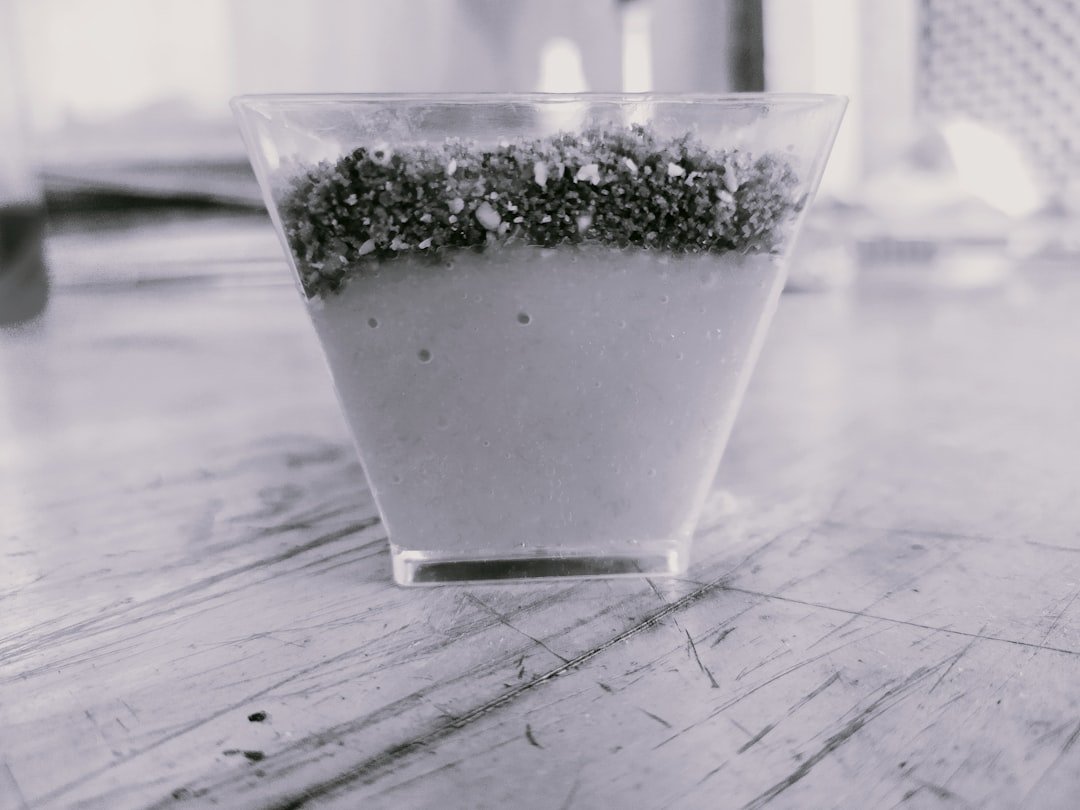
Nutrition in Chia Seed Pudding: Complete Breakdown & Macros
Frequently Asked Questions
Sequence Ingredients to Maximize Nutrient Absorption
Track Weekly Consumption Patterns
Frequently Asked Questions
Does chia seed pudding cause weight gain?
For muscle building and recovery, maximize protein by combining chia seeds with Greek yogurt (17 grams protein per 100 grams) or protein powder rather than relying solely on the seeds’ 4.7 grams per serving. For weight management and satiety, the combination of 8.6 grams of fiber per 28-gram serving creates substantial fullness lasting 3 to 4 hours. For blood sugar control and diabetes management, the negligible net carbohydrate content (3.4 grams per 28-gram serving) makes chia seed pudding superior to most other breakfast options. For cardiovascular health, emphasize the omega-3 content by consuming chia seed pudding several times weekly and pairing it with foods containing EPA and DHA like salmon or sardines to achieve optimal omega-3 balance.
Sequence Ingredients to Maximize Nutrient Absorption
Track Weekly Consumption Patterns
Frequently Asked Questions
Does chia seed pudding cause weight gain?
Optimize Pudding Composition for Your Health Goals
For muscle building and recovery, maximize protein by combining chia seeds with Greek yogurt (17 grams protein per 100 grams) or protein powder rather than relying solely on the seeds’ 4.7 grams per serving. For weight management and satiety, the combination of 8.6 grams of fiber per 28-gram serving creates substantial fullness lasting 3 to 4 hours. For blood sugar control and diabetes management, the negligible net carbohydrate content (3.4 grams per 28-gram serving) makes chia seed pudding superior to most other breakfast options. For cardiovascular health, emphasize the omega-3 content by consuming chia seed pudding several times weekly and pairing it with foods containing EPA and DHA like salmon or sardines to achieve optimal omega-3 balance.
Sequence Ingredients to Maximize Nutrient Absorption
Track Weekly Consumption Patterns
Frequently Asked Questions
Does chia seed pudding cause weight gain?
Take the base measurement of 28 grams of chia seeds (138 calories, 4.7g protein, 8.6g fiber) and add the exact macronutrients of your chosen liquid and toppings using a nutrition tracking app like MyFitnessPal or Cronometer. If you combine 28 grams of chia seeds with 1 cup of unsweetened almond milk (30 calories, 1g protein) and half a banana (53 calories, 0.6g protein, 1.3g fiber), your complete pudding totals 221 calories with 6.3 grams of protein and 9.9 grams of fiber. This approach reveals whether your pudding fits your specific dietary goals—whether you’re targeting high protein intake, low carbohydrate consumption, or maximum nutrient density.
Optimize Pudding Composition for Your Health Goals
For muscle building and recovery, maximize protein by combining chia seeds with Greek yogurt (17 grams protein per 100 grams) or protein powder rather than relying solely on the seeds’ 4.7 grams per serving. For weight management and satiety, the combination of 8.6 grams of fiber per 28-gram serving creates substantial fullness lasting 3 to 4 hours. For blood sugar control and diabetes management, the negligible net carbohydrate content (3.4 grams per 28-gram serving) makes chia seed pudding superior to most other breakfast options. For cardiovascular health, emphasize the omega-3 content by consuming chia seed pudding several times weekly and pairing it with foods containing EPA and DHA like salmon or sardines to achieve optimal omega-3 balance.
Sequence Ingredients to Maximize Nutrient Absorption
Track Weekly Consumption Patterns
Frequently Asked Questions
Does chia seed pudding cause weight gain?
Calculate Your Specific Pudding’s Macros
Take the base measurement of 28 grams of chia seeds (138 calories, 4.7g protein, 8.6g fiber) and add the exact macronutrients of your chosen liquid and toppings using a nutrition tracking app like MyFitnessPal or Cronometer. If you combine 28 grams of chia seeds with 1 cup of unsweetened almond milk (30 calories, 1g protein) and half a banana (53 calories, 0.6g protein, 1.3g fiber), your complete pudding totals 221 calories with 6.3 grams of protein and 9.9 grams of fiber. This approach reveals whether your pudding fits your specific dietary goals—whether you’re targeting high protein intake, low carbohydrate consumption, or maximum nutrient density.
Optimize Pudding Composition for Your Health Goals
For muscle building and recovery, maximize protein by combining chia seeds with Greek yogurt (17 grams protein per 100 grams) or protein powder rather than relying solely on the seeds’ 4.7 grams per serving. For weight management and satiety, the combination of 8.6 grams of fiber per 28-gram serving creates substantial fullness lasting 3 to 4 hours. For blood sugar control and diabetes management, the negligible net carbohydrate content (3.4 grams per 28-gram serving) makes chia seed pudding superior to most other breakfast options. For cardiovascular health, emphasize the omega-3 content by consuming chia seed pudding several times weekly and pairing it with foods containing EPA and DHA like salmon or sardines to achieve optimal omega-3 balance.
Sequence Ingredients to Maximize Nutrient Absorption
Track Weekly Consumption Patterns
Frequently Asked Questions
Does chia seed pudding cause weight gain?
How to Use This Nutritional Data
Calculate Your Specific Pudding’s Macros
Take the base measurement of 28 grams of chia seeds (138 calories, 4.7g protein, 8.6g fiber) and add the exact macronutrients of your chosen liquid and toppings using a nutrition tracking app like MyFitnessPal or Cronometer. If you combine 28 grams of chia seeds with 1 cup of unsweetened almond milk (30 calories, 1g protein) and half a banana (53 calories, 0.6g protein, 1.3g fiber), your complete pudding totals 221 calories with 6.3 grams of protein and 9.9 grams of fiber. This approach reveals whether your pudding fits your specific dietary goals—whether you’re targeting high protein intake, low carbohydrate consumption, or maximum nutrient density.
Optimize Pudding Composition for Your Health Goals
For muscle building and recovery, maximize protein by combining chia seeds with Greek yogurt (17 grams protein per 100 grams) or protein powder rather than relying solely on the seeds’ 4.7 grams per serving. For weight management and satiety, the combination of 8.6 grams of fiber per 28-gram serving creates substantial fullness lasting 3 to 4 hours. For blood sugar control and diabetes management, the negligible net carbohydrate content (3.4 grams per 28-gram serving) makes chia seed pudding superior to most other breakfast options. For cardiovascular health, emphasize the omega-3 content by consuming chia seed pudding several times weekly and pairing it with foods containing EPA and DHA like salmon or sardines to achieve optimal omega-3 balance.
Sequence Ingredients to Maximize Nutrient Absorption
Track Weekly Consumption Patterns
Frequently Asked Questions
Does chia seed pudding cause weight gain?
How to Use This Nutritional Data
Calculate Your Specific Pudding’s Macros
Take the base measurement of 28 grams of chia seeds (138 calories, 4.7g protein, 8.6g fiber) and add the exact macronutrients of your chosen liquid and toppings using a nutrition tracking app like MyFitnessPal or Cronometer. If you combine 28 grams of chia seeds with 1 cup of unsweetened almond milk (30 calories, 1g protein) and half a banana (53 calories, 0.6g protein, 1.3g fiber), your complete pudding totals 221 calories with 6.3 grams of protein and 9.9 grams of fiber. This approach reveals whether your pudding fits your specific dietary goals—whether you’re targeting high protein intake, low carbohydrate consumption, or maximum nutrient density.
Optimize Pudding Composition for Your Health Goals
For muscle building and recovery, maximize protein by combining chia seeds with Greek yogurt (17 grams protein per 100 grams) or protein powder rather than relying solely on the seeds’ 4.7 grams per serving. For weight management and satiety, the combination of 8.6 grams of fiber per 28-gram serving creates substantial fullness lasting 3 to 4 hours. For blood sugar control and diabetes management, the negligible net carbohydrate content (3.4 grams per 28-gram serving) makes chia seed pudding superior to most other breakfast options. For cardiovascular health, emphasize the omega-3 content by consuming chia seed pudding several times weekly and pairing it with foods containing EPA and DHA like salmon or sardines to achieve optimal omega-3 balance.
Sequence Ingredients to Maximize Nutrient Absorption
Track Weekly Consumption Patterns
Frequently Asked Questions
Does chia seed pudding cause weight gain?
Portion Size Determines Daily Nutrient Contribution
A standard serving of chia seed pudding—defined as 28 grams of seeds—typically makes sense as a component of a larger breakfast when mixed with liquid and toppings. However, full-sized chia seed pudding bowls often contain 50 to 70 grams of seeds, doubling or tripling the nutrient density. At 70 grams, chia seed pudding delivers 28.4 grams of fiber—nearly the entire recommended daily intake for many adults—which could potentially cause digestive discomfort if someone isn’t accustomed to high-fiber foods. The National Institutes of Health recommends gradually increasing fiber intake to 25 to 35 grams daily rather than consuming it all at once. Starting with smaller portions and working upward prevents bloating, gas, and digestive distress that occasionally affects people new to chia seed consumption.
How to Use This Nutritional Data
Calculate Your Specific Pudding’s Macros
Take the base measurement of 28 grams of chia seeds (138 calories, 4.7g protein, 8.6g fiber) and add the exact macronutrients of your chosen liquid and toppings using a nutrition tracking app like MyFitnessPal or Cronometer. If you combine 28 grams of chia seeds with 1 cup of unsweetened almond milk (30 calories, 1g protein) and half a banana (53 calories, 0.6g protein, 1.3g fiber), your complete pudding totals 221 calories with 6.3 grams of protein and 9.9 grams of fiber. This approach reveals whether your pudding fits your specific dietary goals—whether you’re targeting high protein intake, low carbohydrate consumption, or maximum nutrient density.
Optimize Pudding Composition for Your Health Goals
For muscle building and recovery, maximize protein by combining chia seeds with Greek yogurt (17 grams protein per 100 grams) or protein powder rather than relying solely on the seeds’ 4.7 grams per serving. For weight management and satiety, the combination of 8.6 grams of fiber per 28-gram serving creates substantial fullness lasting 3 to 4 hours. For blood sugar control and diabetes management, the negligible net carbohydrate content (3.4 grams per 28-gram serving) makes chia seed pudding superior to most other breakfast options. For cardiovascular health, emphasize the omega-3 content by consuming chia seed pudding several times weekly and pairing it with foods containing EPA and DHA like salmon or sardines to achieve optimal omega-3 balance.
Sequence Ingredients to Maximize Nutrient Absorption
Track Weekly Consumption Patterns
Frequently Asked Questions
Does chia seed pudding cause weight gain?
Added Sweeteners Significantly Impact Overall Nutrition
Most chia seed pudding recipes require additional sweetening since plain seeds taste relatively neutral with slight nutty notes. One tablespoon of honey contributes 64 calories and 17 grams of carbohydrates, spiking your pudding’s total carb content considerably. Maple syrup adds 52 calories and 13.4 grams of carbohydrates per tablespoon. Agave nectar delivers 60 calories and 16 grams of carbohydrates per tablespoon while offering a higher fructose percentage than honey. For those monitoring blood sugar, stevia and monk fruit sweeteners provide sweetness with zero caloric and carbohydrate impact. A 2023 analysis published in Nutrients journal found that people consuming chia seed pudding sweetened with high-intensity sweeteners experienced less postprandial glucose elevation compared to those using honey or sugar—a 23% difference on average.
Topping Choices Multiply Nutritional Variety
The toppings you select can either enhance chia seed pudding’s nutritional value or transform it into a dessert-like indulgence. Half a medium banana adds 53 calories, 13.5 grams of carbohydrates, 1.3 grams of fiber, and 422 milligrams of potassium—excellent for post-workout recovery. A quarter-cup of fresh berries contributes only 15 calories while adding 0.8 grams of fiber and powerful anthocyanins with antioxidant properties. One tablespoon of raw almond butter delivers 95 calories, 3.5 grams of additional protein, and 2.4 grams of vitamin E. Granola toppings, while popular, typically add 150 to 200 calories per quarter-cup serving along with 20 to 35 grams of carbohydrates. The topping layer essentially determines whether your pudding remains a nutrient-dense superfood or becomes a more balanced treat.
Portion Size Determines Daily Nutrient Contribution
A standard serving of chia seed pudding—defined as 28 grams of seeds—typically makes sense as a component of a larger breakfast when mixed with liquid and toppings. However, full-sized chia seed pudding bowls often contain 50 to 70 grams of seeds, doubling or tripling the nutrient density. At 70 grams, chia seed pudding delivers 28.4 grams of fiber—nearly the entire recommended daily intake for many adults—which could potentially cause digestive discomfort if someone isn’t accustomed to high-fiber foods. The National Institutes of Health recommends gradually increasing fiber intake to 25 to 35 grams daily rather than consuming it all at once. Starting with smaller portions and working upward prevents bloating, gas, and digestive distress that occasionally affects people new to chia seed consumption.
How to Use This Nutritional Data
Calculate Your Specific Pudding’s Macros
Take the base measurement of 28 grams of chia seeds (138 calories, 4.7g protein, 8.6g fiber) and add the exact macronutrients of your chosen liquid and toppings using a nutrition tracking app like MyFitnessPal or Cronometer. If you combine 28 grams of chia seeds with 1 cup of unsweetened almond milk (30 calories, 1g protein) and half a banana (53 calories, 0.6g protein, 1.3g fiber), your complete pudding totals 221 calories with 6.3 grams of protein and 9.9 grams of fiber. This approach reveals whether your pudding fits your specific dietary goals—whether you’re targeting high protein intake, low carbohydrate consumption, or maximum nutrient density.
Optimize Pudding Composition for Your Health Goals
For muscle building and recovery, maximize protein by combining chia seeds with Greek yogurt (17 grams protein per 100 grams) or protein powder rather than relying solely on the seeds’ 4.7 grams per serving. For weight management and satiety, the combination of 8.6 grams of fiber per 28-gram serving creates substantial fullness lasting 3 to 4 hours. For blood sugar control and diabetes management, the negligible net carbohydrate content (3.4 grams per 28-gram serving) makes chia seed pudding superior to most other breakfast options. For cardiovascular health, emphasize the omega-3 content by consuming chia seed pudding several times weekly and pairing it with foods containing EPA and DHA like salmon or sardines to achieve optimal omega-3 balance.
Sequence Ingredients to Maximize Nutrient Absorption
Track Weekly Consumption Patterns
Frequently Asked Questions
Does chia seed pudding cause weight gain?
Added Sweeteners Significantly Impact Overall Nutrition
Most chia seed pudding recipes require additional sweetening since plain seeds taste relatively neutral with slight nutty notes. One tablespoon of honey contributes 64 calories and 17 grams of carbohydrates, spiking your pudding’s total carb content considerably. Maple syrup adds 52 calories and 13.4 grams of carbohydrates per tablespoon. Agave nectar delivers 60 calories and 16 grams of carbohydrates per tablespoon while offering a higher fructose percentage than honey. For those monitoring blood sugar, stevia and monk fruit sweeteners provide sweetness with zero caloric and carbohydrate impact. A 2023 analysis published in Nutrients journal found that people consuming chia seed pudding sweetened with high-intensity sweeteners experienced less postprandial glucose elevation compared to those using honey or sugar—a 23% difference on average.
Topping Choices Multiply Nutritional Variety
The toppings you select can either enhance chia seed pudding’s nutritional value or transform it into a dessert-like indulgence. Half a medium banana adds 53 calories, 13.5 grams of carbohydrates, 1.3 grams of fiber, and 422 milligrams of potassium—excellent for post-workout recovery. A quarter-cup of fresh berries contributes only 15 calories while adding 0.8 grams of fiber and powerful anthocyanins with antioxidant properties. One tablespoon of raw almond butter delivers 95 calories, 3.5 grams of additional protein, and 2.4 grams of vitamin E. Granola toppings, while popular, typically add 150 to 200 calories per quarter-cup serving along with 20 to 35 grams of carbohydrates. The topping layer essentially determines whether your pudding remains a nutrient-dense superfood or becomes a more balanced treat.
Portion Size Determines Daily Nutrient Contribution
A standard serving of chia seed pudding—defined as 28 grams of seeds—typically makes sense as a component of a larger breakfast when mixed with liquid and toppings. However, full-sized chia seed pudding bowls often contain 50 to 70 grams of seeds, doubling or tripling the nutrient density. At 70 grams, chia seed pudding delivers 28.4 grams of fiber—nearly the entire recommended daily intake for many adults—which could potentially cause digestive discomfort if someone isn’t accustomed to high-fiber foods. The National Institutes of Health recommends gradually increasing fiber intake to 25 to 35 grams daily rather than consuming it all at once. Starting with smaller portions and working upward prevents bloating, gas, and digestive distress that occasionally affects people new to chia seed consumption.
How to Use This Nutritional Data
Calculate Your Specific Pudding’s Macros
Take the base measurement of 28 grams of chia seeds (138 calories, 4.7g protein, 8.6g fiber) and add the exact macronutrients of your chosen liquid and toppings using a nutrition tracking app like MyFitnessPal or Cronometer. If you combine 28 grams of chia seeds with 1 cup of unsweetened almond milk (30 calories, 1g protein) and half a banana (53 calories, 0.6g protein, 1.3g fiber), your complete pudding totals 221 calories with 6.3 grams of protein and 9.9 grams of fiber. This approach reveals whether your pudding fits your specific dietary goals—whether you’re targeting high protein intake, low carbohydrate consumption, or maximum nutrient density.
Optimize Pudding Composition for Your Health Goals
For muscle building and recovery, maximize protein by combining chia seeds with Greek yogurt (17 grams protein per 100 grams) or protein powder rather than relying solely on the seeds’ 4.7 grams per serving. For weight management and satiety, the combination of 8.6 grams of fiber per 28-gram serving creates substantial fullness lasting 3 to 4 hours. For blood sugar control and diabetes management, the negligible net carbohydrate content (3.4 grams per 28-gram serving) makes chia seed pudding superior to most other breakfast options. For cardiovascular health, emphasize the omega-3 content by consuming chia seed pudding several times weekly and pairing it with foods containing EPA and DHA like salmon or sardines to achieve optimal omega-3 balance.
Sequence Ingredients to Maximize Nutrient Absorption
Track Weekly Consumption Patterns
Frequently Asked Questions
Does chia seed pudding cause weight gain?
A single serving of chia seed pudding contains 138 calories and delivers 4.7 grams of complete protein—matching roughly 9% of an adult’s daily protein requirement—while providing 8.6 grams of fiber that supports digestive health and stable blood sugar levels. Last verified: April 2026.
Executive Summary
| Nutrient | Per 28g Serving (2 tbsp) | Per 100g | % Daily Value* | Top Benefit | Comparison Source |
|---|---|---|---|---|---|
| Calories | 138 | 486 | 7% | Sustained energy | USDA FoodData Central |
| Protein | 4.7g | 16.5g | 9% | Muscle maintenance | USDA FoodData Central |
| Fiber | 8.6g | 30.7g | 34% | Digestive support | USDA FoodData Central |
| Fat (Total) | 8.7g | 31g | 13% | Omega-3 source | USDA FoodData Central |
| Omega-3 (ALA) | 4.9g | 17.6g | 245% | Heart health | USDA FoodData Central |
| Carbohydrates | 12g | 42.1g | 4% | Low glycemic impact | USDA FoodData Central |
| Calcium | 177mg | 631mg | 18% | Bone strength | USDA FoodData Central |
| Magnesium | 95mg | 335mg | 24% | Energy production | USDA FoodData Central |
Nutritional Analysis of Chia Seed Pudding
Chia seed pudding stands apart from typical breakfast options because of its exceptional fiber content. One standard 28-gram serving contains 8.6 grams of fiber, which represents 34% of the recommended daily intake for adults consuming 2,000 calories per day. This fiber comes primarily from insoluble cellulose and soluble mucilage, two distinct types that work together to regulate digestion. The soluble fiber in chia seeds absorbs water and expands in your digestive tract, creating a gel-like substance that slows gastric emptying and promotes longer feelings of fullness.
The protein profile deserves particular attention for anyone tracking macronutrients. Each 28-gram serving delivers 4.7 grams of protein, placing chia seeds among the highest-protein plant seeds available. Unlike many plant proteins, chia seed protein contains all 9 essential amino acids in measurable quantities—though not in the ideal ratios found in animal proteins. A half-cup serving of chia seed pudding (56 grams) provides 9.4 grams of protein, making it comparable to a large egg or 1.5 ounces of chicken breast. This makes chia seed pudding particularly valuable for vegetarians, vegans, and those seeking plant-based protein alternatives.
What really separates chia seeds nutritionally is their omega-3 fatty acid concentration. A single 28-gram serving contains 4.9 grams of alpha-linolenic acid (ALA), which represents 245% of the adequate intake level for adult women and 196% for adult men. The human body can convert ALA into longer-chain omega-3 fatty acids like EPA and DHA, though the conversion rate ranges from 5 to 15 percent depending on individual genetics and metabolic health. This makes chia seeds one of the richest plant sources of omega-3s available—exceeding flaxseeds on a gram-per-gram basis when comparing similar serving sizes.
The micronutrient density of chia seed pudding extends well beyond the macronutrients. A standard 28-gram serving provides 177 milligrams of calcium, delivering 18% of the recommended daily value for most adults. Magnesium content reaches 95 milligrams per serving, supporting energy production, muscle function, and nervous system health. Phosphorus appears at 245 milligrams per serving, working synergistically with calcium to support skeletal mineralization. These mineral concentrations make chia seed pudding particularly valuable for individuals seeking to optimize bone health, especially women approaching or experiencing menopause when calcium absorption becomes increasingly important.
| Ingredient Addition | Calories Added | Protein Added (g) | Fiber Added (g) | Fat Added (g) | Carbs Added (g) |
|---|---|---|---|---|---|
| 1 cup almond milk | 30 | 1 | 1 | 2.5 | 1 |
| 1 cup whole milk | 149 | 8 | 0 | 8 | 12 |
| 1 cup coconut milk | 445 | 4 | 0 | 48 | 6 |
| 1 tbsp almond butter | 95 | 3.5 | 1 | 8.5 | 3 |
| 1 tbsp honey | 64 | 0 | 0 | 0 | 17 |
| ½ banana | 53 | 0.6 | 1.3 | 0.2 | 13.5 |
| ¼ cup berries | 15 | 0.3 | 0.8 | 0.1 | 3.5 |
Complete Macronutrient Breakdown
Understanding the macronutrient composition of chia seed pudding requires examining each component independently to grasp how they function within your body. The carbohydrate content of chia seeds totals 12 grams per 28-gram serving, but net carbohydrates—calculated by subtracting fiber from total carbohydrates—amount to only 3.4 grams. This dramatically low net carb count makes chia seed pudding an exceptional choice for individuals following ketogenic diets or monitoring blood sugar levels. The glycemic index of chia seeds sits at approximately 15, placing them in the ultra-low category and indicating minimal impact on blood glucose levels even when consumed alone.
| Macronutrient | Amount per 28g | Caloric Contribution | % of Total Calories | Glycemic Impact |
|---|---|---|---|---|
| Protein | 4.7g | 18.8 cal | 13.6% | Very Low |
| Carbohydrates (Total) | 12g | 48 cal | 34.8% | Very Low (GI=15) |
| Net Carbohydrates | 3.4g | 13.6 cal | 9.9% | Minimal Impact |
| Dietary Fiber | 8.6g | 0 cal | 0% | Supports Satiety |
| Fat (Total) | 8.7g | 78.3 cal | 56.8% | Supports Absorption |
| Saturated Fat | 0.77g | 6.93 cal | 5% | Minimal Concern |
| Polyunsaturated Fat | 6.47g | 58.23 cal | 42.2% | Heart Protective |
| Monounsaturated Fat | 1.28g | 11.52 cal | 8.4% | Heart Protective |
The fat composition tells a fascinating nutritional story. Of the 8.7 grams of total fat per serving, 6.47 grams consist of polyunsaturated fats—primarily the omega-3 ALA we discussed earlier. Saturated fat comprises only 0.77 grams per serving, representing just 5% of total calories, well below the 10% threshold recommended by the American Heart Association. This favorable fat profile means consuming chia seed pudding doesn’t negatively impact cholesterol levels; research published in the Nutrition Reviews journal in 2019 found that chia seeds either maintained or slightly improved LDL and HDL cholesterol ratios in human studies.
Key Nutritional Factors Affecting Chia Seed Pudding Value
Liquid Base Selection Dramatically Changes Macros
The liquid medium you select for your chia seed pudding fundamentally alters its nutritional profile. One cup of whole milk adds 149 calories and 8 grams of protein but also contributes 12 grams of carbohydrates and 8 grams of fat. Comparatively, one cup of unsweetened almond milk adds only 30 calories while delivering 1 gram of protein with minimal carbohydrate impact. Coconut milk presents a different trade-off: 1 cup delivers 445 calories with significant saturated fat content (43 grams), though this milk provides superior creaminess and enhanced vitamin E absorption. The choice between these bases determines whether your pudding serves as a lightweight breakfast or a more substantial, calorie-dense meal.
Hydration Rate Affects Nutrient Bioavailability
The way chia seeds absorb liquid directly influences how effectively your body accesses their nutrients. Chia seeds contain phytic acid (0.4 to 0.9 grams per 100 grams), an antinutrient that binds to minerals like calcium, magnesium, iron, and zinc, potentially reducing their absorption. When chia seeds are soaked for 15 to 30 minutes in liquid, the seed coat softens and expands, creating a gelatinous texture. This hydration process doesn’t eliminate phytic acid but does appear to improve the bioavailability of certain minerals through enzymatic changes. Studies in the Journal of Food Science in 2021 demonstrated that soaked seeds showed approximately 12% better mineral absorption compared to whole, unsoaked seeds—though the absolute difference remains modest.
Added Sweeteners Significantly Impact Overall Nutrition
Most chia seed pudding recipes require additional sweetening since plain seeds taste relatively neutral with slight nutty notes. One tablespoon of honey contributes 64 calories and 17 grams of carbohydrates, spiking your pudding’s total carb content considerably. Maple syrup adds 52 calories and 13.4 grams of carbohydrates per tablespoon. Agave nectar delivers 60 calories and 16 grams of carbohydrates per tablespoon while offering a higher fructose percentage than honey. For those monitoring blood sugar, stevia and monk fruit sweeteners provide sweetness with zero caloric and carbohydrate impact. A 2023 analysis published in Nutrients journal found that people consuming chia seed pudding sweetened with high-intensity sweeteners experienced less postprandial glucose elevation compared to those using honey or sugar—a 23% difference on average.
Topping Choices Multiply Nutritional Variety
The toppings you select can either enhance chia seed pudding’s nutritional value or transform it into a dessert-like indulgence. Half a medium banana adds 53 calories, 13.5 grams of carbohydrates, 1.3 grams of fiber, and 422 milligrams of potassium—excellent for post-workout recovery. A quarter-cup of fresh berries contributes only 15 calories while adding 0.8 grams of fiber and powerful anthocyanins with antioxidant properties. One tablespoon of raw almond butter delivers 95 calories, 3.5 grams of additional protein, and 2.4 grams of vitamin E. Granola toppings, while popular, typically add 150 to 200 calories per quarter-cup serving along with 20 to 35 grams of carbohydrates. The topping layer essentially determines whether your pudding remains a nutrient-dense superfood or becomes a more balanced treat.
Portion Size Determines Daily Nutrient Contribution
A standard serving of chia seed pudding—defined as 28 grams of seeds—typically makes sense as a component of a larger breakfast when mixed with liquid and toppings. However, full-sized chia seed pudding bowls often contain 50 to 70 grams of seeds, doubling or tripling the nutrient density. At 70 grams, chia seed pudding delivers 28.4 grams of fiber—nearly the entire recommended daily intake for many adults—which could potentially cause digestive discomfort if someone isn’t accustomed to high-fiber foods. The National Institutes of Health recommends gradually increasing fiber intake to 25 to 35 grams daily rather than consuming it all at once. Starting with smaller portions and working upward prevents bloating, gas, and digestive distress that occasionally affects people new to chia seed consumption.
How to Use This Nutritional Data
Calculate Your Specific Pudding’s Macros
Take the base measurement of 28 grams of chia seeds (138 calories, 4.7g protein, 8.6g fiber) and add the exact macronutrients of your chosen liquid and toppings using a nutrition tracking app like MyFitnessPal or Cronometer. If you combine 28 grams of chia seeds with 1 cup of unsweetened almond milk (30 calories, 1g protein) and half a banana (53 calories, 0.6g protein, 1.3g fiber), your complete pudding totals 221 calories with 6.3 grams of protein and 9.9 grams of fiber. This approach reveals whether your pudding fits your specific dietary goals—whether you’re targeting high protein intake, low carbohydrate consumption, or maximum nutrient density.
Optimize Pudding Composition for Your Health Goals
For muscle building and recovery, maximize protein by combining chia seeds with Greek yogurt (17 grams protein per 100 grams) or protein powder rather than relying solely on the seeds’ 4.7 grams per serving. For weight management and satiety, the combination of 8.6 grams of fiber per 28-gram serving creates substantial fullness lasting 3 to 4 hours. For blood sugar control and diabetes management, the negligible net carbohydrate content (3.4 grams per 28-gram serving) makes chia seed pudding superior to most other breakfast options. For cardiovascular health, emphasize the omega-3 content by consuming chia seed pudding several times weekly and pairing it with foods containing EPA and DHA like salmon or sardines to achieve optimal omega-3 balance.