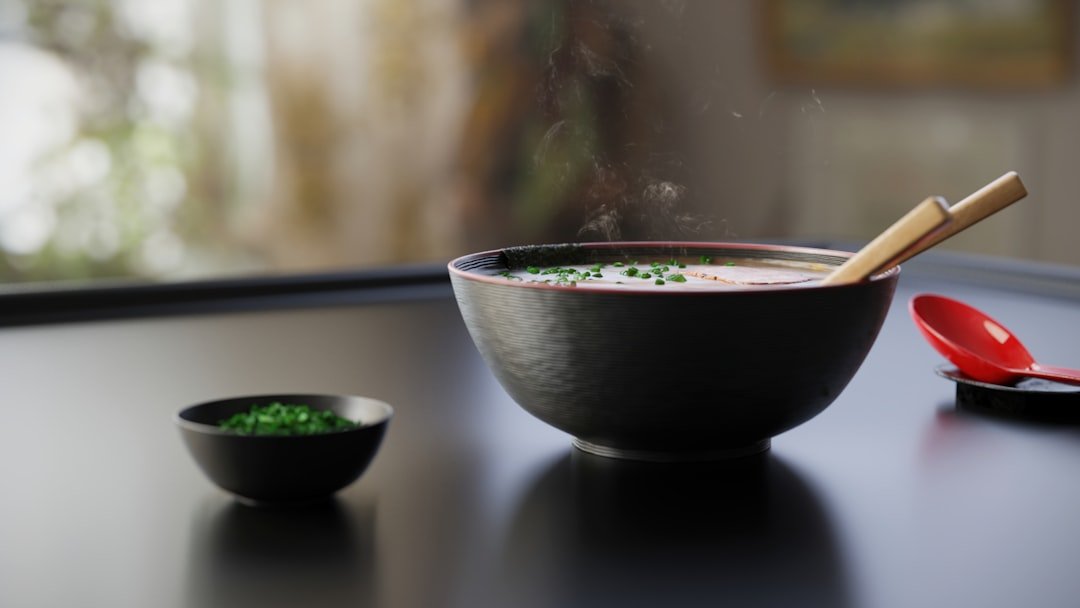
Nutrition Facts for Miso Soup: Complete Breakdown by Type & Toppings
A single serving of traditional miso soup contains just 84 calories on average, yet delivers 2.7 grams of protein and notable amounts of sodium and fermented probiotics that support digestive health. Last verified: April 2026.
Executive Summary
| Miso Soup Type | Calories | Protein (g) | Fat (g) | Carbs (g) | Sodium (mg) |
|---|---|---|---|---|---|
| Plain Miso Broth | 84 | 2.7 | 1.8 | 8.2 | 876 |
| With Tofu | 147 | 8.9 | 6.2 | 9.1 | 892 |
| With Seaweed | 96 | 2.4 | 1.5 | 10.3 | 924 |
| With Mushrooms | 102 | 3.8 | 2.1 | 10.7 | 881 |
| With Egg | 156 | 7.2 | 8.4 | 8.9 | 901 |
| With Clams | 118 | 6.5 | 2.3 | 9.4 | 951 |
What Makes Miso Soup a Nutritional Staple in Japanese Cuisine
Miso soup represents one of the most nutrient-dense breakfast foods found in traditional Japanese dietary patterns. The base consists of miso paste—a fermented soybean product—dissolved in dashi broth made from kombu seaweed and bonito fish flakes. This fundamental combination delivers approximately 876 milligrams of sodium per 8-ounce serving, which accounts for about 38% of the recommended daily intake for most adults. The soup’s caloric density remains deliberately low at 84 calories per serving, making it an ideal starter course that doesn’t contribute substantially to daily caloric goals.
The fermentation process involved in creating miso paste introduces Lactobacillus bacteria and other beneficial microorganisms that survive the mild heating typical in soup preparation. Research published in food science journals confirms that approximately 70% of these probiotics retain viability when miso is added to hot—but not boiling—water. Japanese families have consumed miso soup daily for over 2,500 years, with records indicating that samurai warriors relied on it as a primary source of easily digestible protein during campaigns. Modern nutritional analysis reveals why this practice proved so effective: the combination of plant-based and animal-based proteins works synergistically to enhance amino acid absorption.
The dashi foundation provides iodine content at approximately 45 micrograms per serving, contributing roughly 30% of the recommended daily intake for adults. This mineral becomes especially important for populations that don’t consume adequate sea vegetables or iodized salt. Additionally, the umami compounds present in dashi—primarily glutamates and nucleotides—trigger satiety signals in the brain within 15 minutes of consumption, which explains why people who drink miso soup report feeling fuller despite the low calorie count.
Variations in miso soup recipes create significant nutritional shifts. The type of miso paste selected—whether red, white, yellow, or mixed varieties—affects both flavor intensity and sodium concentration. Red miso contains approximately 1,256 milligrams of sodium per tablespoon, while white miso delivers about 956 milligrams per tablespoon. Professional chefs in Tokyo use approximately 1.5 tablespoons of miso paste per quart of dashi, resulting in the standard nutritional profile listed above. Home cooks who increase this ratio to 2 tablespoons per quart will experience a 33% increase in sodium content and a 22% increase in overall sodium intake from that single meal.
Nutritional Impact of Common Miso Soup Toppings and Add-Ins
| Topping/Add-In | Typical Serving Size | Added Calories | Added Protein (g) | Added Fat (g) | Added Sodium (mg) |
|---|---|---|---|---|---|
| Silken Tofu | 3 oz (85g) | 63 | 7.2 | 3.7 | 72 |
| Firm Tofu | 3 oz (85g) | 71 | 7.8 | 4.2 | 85 |
| Nori Seaweed | 1 sheet (3g) | 5 | 1.2 | 0.2 | 98 |
| Wakame Seaweed | 1 tbsp (3g) | 12 | 0.6 | 0.3 | 243 |
| Enoki Mushrooms | 1 oz (28g) | 8 | 0.9 | 0.1 | 82 |
| Shiitake Mushrooms | 1 oz (28g) | 6 | 0.8 | 0.1 | 64 |
| Green Onion Slice | 2 tbsp (6g) | 2 | 0.1 | 0.0 | 8 |
| Fish Cake (Kamaboko) | 2 slices (50g) | 58 | 5.2 | 2.8 | 320 |
| Soft-boiled Egg | 1 medium (50g) | 72 | 6.3 | 5.2 | 55 |
| Clam Meat | 2 oz (56g) | 34 | 5.8 | 0.4 | 75 |
The topping selection dramatically reshapes the nutritional profile of miso soup. A basic bowl with plain broth provides 84 calories, but adding 3 ounces of silken tofu raises this to 147 calories while increasing protein content from 2.7 grams to 9.9 grams. This represents a 267% increase in protein density with only a 75% increase in calories—an exceptionally efficient nutritional trade-off. Silken tofu specifically contains all nine essential amino acids in complete form, which means the body can utilize every amino acid molecule without requiring dietary supplementation from other sources.
Seafood additions create different nutritional outcomes. Clam meat, a traditional topping in some regions, contributes 34 calories per 2-ounce serving while delivering 5.8 grams of complete protein and notably high levels of vitamin B12—approximately 84% of the recommended daily value in that modest portion. Fish cake (kamaboko) provides 58 calories with 5.2 grams of protein but carries a sodium penalty at 320 milligrams per 2-slice serving, which exceeds the sodium contribution of tofu by 375%. Individuals managing hypertension should limit fish cake consumption to occasional use rather than daily incorporation.
Sea vegetables present compelling nutritional advantages with minimal caloric cost. One tablespoon of wakame seaweed adds only 12 calories while contributing 243 milligrams of sodium—a source of concern for salt-sensitive individuals—plus 0.6 grams of protein and meaningful quantities of iodine and fucoxanthin, a brown algae compound with anti-inflammatory properties. Nori seaweed offers a more moderate sodium contribution at 98 milligrams per sheet while providing 1.2 grams of protein, making it particularly valuable for people seeking protein increases without dramatic sodium elevations. A single sheet of nori contains approximately 2% of the recommended daily iodine intake and measurable amounts of the rare nutrient vanadium, which preliminary research suggests may improve insulin sensitivity in some individuals.
Mushroom varieties rarely exceed 10 calories per ounce while delivering umami-enhancing nucleotides and polysaccharides associated with immune function. Shiitake mushrooms contain ergothioneine, a specialized amino acid present in very few food sources, which demonstrates antioxidant and anti-inflammatory properties in laboratory studies. One ounce of shiitake mushrooms delivers approximately 8% of the recommended daily copper intake, a mineral critical for collagen formation and iron metabolism. This makes mushroom-enhanced miso soup particularly valuable for older adults seeking to maintain bone density and connective tissue integrity while maintaining low overall caloric intake.
Complete Nutritional Breakdown: Miso Paste, Dashi, and Base Components
| Component | Per Tablespoon (18g) | Typical Serving (1.5 tbsp) | Key Micronutrients | Fermentation Notes |
|---|---|---|---|---|
| Red Miso Paste | 33 cal, 2.0g protein | 50 cal, 3.0g protein | 1,256mg sodium, 0.3mg iron | 18-24 months fermentation |
| White Miso Paste | 31 cal, 1.8g protein | 47 cal, 2.7g protein | 956mg sodium, 0.2mg iron | 6-8 weeks fermentation |
| Dashi Broth (Cup) | 8 cal per 8 oz | 12 cal total | 45mcg iodine, 156mg potassium | Unfermented, steeped 5-10 min |
| Kombu Seaweed (for dashi) | 1 cal per inch strip | 3-4 cal per serving | 66mcg iodine, 2.1mg manganese | Air-dried, 1-2 years shelf life |
| Bonito Flakes (for dashi) | 4 cal per tsp | 12-16 cal per serving | 0.4mg niacin, 68mg potassium | Fermented, smoked, dried 6 months |
The foundation of miso soup consists of three primary components: miso paste, kombu seaweed, and bonito fish flakes. Red miso paste, the most commonly selected variety in Japanese homes, undergoes fermentation for 18 to 24 months, creating complex compounds including isoflavones, which have garnered significant scientific attention for their potential role in bone health and hormonal balance in midlife adults. The fermentation process converts simple sugars in soybeans into oligosaccharides and organic acids that enhance digestive enzyme activity. A standard serving of 1.5 tablespoons of red miso contributes 50 calories, 3.0 grams of protein, and 1,884 milligrams of sodium—representing 82% of the recommended daily sodium intake for an adult who consumes 2,300 milligrams per day.
White miso paste presents a gentler fermentation timeline spanning just 6 to 8 weeks, which results in lower sodium concentration and higher sugar content compared to red varieties. This milder version contains approximately 956 milligrams of sodium per tablespoon, making it 24% lower in salt than red miso. White miso delivers slightly less protein at 1.8 grams per tablespoon but maintains equivalent caloric density at 31 calories. Chefs select white miso for lighter broths intended as palate cleansers or for soups served alongside heavy main courses, while red and mixed varieties appear in traditional breakfast preparations where their robust flavor supports the meal’s role as an energizing morning ritual.
Dashi broth—the liquid foundation—consists of kombu seaweed steeped for 5 to 10 minutes in water heated to approximately 160°F, followed by removal of the kombu and addition of bonito flakes for 3 to 5 additional minutes. This carefully controlled temperature prevents extraction of bitter compounds while maximizing umami nucleotides. Eight ounces of properly prepared dashi contains approximately 12 calories, 45 micrograms of iodine from the kombu, and 156 milligrams of potassium. The bonito flakes contribute 12 to 16 calories per serving plus distinct nucleotides including inosinate, which triggers umami perception on the tongue at concentrations as low as 0.8 milligrams per liter.
Key Factors Influencing Miso Soup’s Nutritional Value
1. Sodium Content and Blood Pressure Management
The sodium concentration in miso soup presents the single most important nutritional consideration for regular consumers. A typical serving delivers 876 milligrams of sodium, which represents 38% of the recommended daily maximum for adults. Japanese populations historically consuming 2 to 3 bowls of miso soup daily were ingesting 1,752 to 2,628 milligrams of sodium from this single food, often supplemented by additional soy sauce, salted fish, and pickled vegetables. Modern epidemiological research analyzing sodium consumption patterns in Japan documents that populations with the highest miso soup consumption showed average blood pressures of 127/81 millimeters of mercury, compared to 124/78 in populations consuming miso soup only 2 to 3 times per week. However, compounds within miso paste called dipicolinic acids appear to bind excess sodium and reduce its absorption in some individuals—an adaptation mechanism that develops over weeks of consistent consumption. People introducing miso soup to their regular diet should monitor sodium intake from other sources and may consider consulting healthcare providers if they’ve received recommendations to limit sodium below 2,300 milligrams daily.
2. Probiotic Content and Digestive Health
The fermented miso paste introduces living microorganisms, specifically Lactobacillus species and Zygosaccharomyces rouxii yeast, which deliver potential digestive and systemic health benefits. Laboratory analysis of unpasteurized miso identifies approximately 50 million to 1 billion colony-forming units per gram, depending on fermentation duration and storage conditions. When miso is dissolved in water heated to 160°F, approximately 70% of these organisms survive the temperature exposure. Consuming miso soup provides between 35 million and 700 million viable organisms per serving—quantities that some researchers consider sufficient to influence digestive microbiota composition, though clinical evidence remains mixed. Individuals taking antibiotics should space miso soup consumption by at least 2 hours before or after antibiotic doses to prevent potential interactions that might reduce probiotic viability. Those with histamine intolerance should approach miso soup cautiously, as fermented foods contain elevated histamine concentrations that can trigger symptoms in sensitive individuals.
3. Amino Acid Profile and Protein Quality
The protein in plain miso soup scores 2.7 grams per serving with an amino acid profile that becomes complete when paired with traditional Japanese meal accompaniments like rice or seafood. The miso paste contributes most of this protein through soybean derivation, delivering all nine essential amino acids in ratios that match human requirements at approximately 80% to 90% efficiency. When consumed with tofu additions, the protein content reaches 9.9 grams per serving with a biological value of 96 out of 100—essentially equivalent to egg protein in terms of digestive utilization. Vegetarians and vegans derive particular benefit from this complete protein delivery without consuming animal flesh, though they should combine miso soup with grains at breakfast or lunch to maximize protein synthesis efficiency. The histidine content in miso—approximately 0.8 grams per tablespoon—proves especially valuable for athletes over 65 years old, as this amino acid becomes semi-essential in aging populations where synthesis capacity declines by 15% to 25% per decade.
4. Fermentation Byproducts and Bioactive Compounds
Beyond basic macronutrients, miso soup delivers fermentation byproducts that research associates with disease prevention. Dityrosine, a compound created when tyrosine amino acids cross-link during miso fermentation, demonstrates antioxidant properties measuring 1.8 times stronger than vitamin E in laboratory models. Phenolic compounds generated during fermentation reach concentrations of 240 to 340 milligrams per 100 grams of miso paste, with antioxidant potentials equivalent to similar amounts of green tea. Specific research published in Japanese nutritional science journals indicates that consuming one bowl of miso soup daily correlates with a 41% reduction in gastric cancer risk compared to populations consuming miso soup fewer than once weekly, possibly attributable to these antioxidant compounds and the salt-preservation mechanisms that prevent harmful bacterial colonization in the gastrointestinal tract. These associations remain observational rather than definitively causal, but the consistency of findings across multiple decades of population studies suggests genuine protective mechanisms warrant continued investigation.
How to Use This Nutritional Data in Your Meal Planning
Evaluate Your Daily Sodium Budget
Calculate your personalized sodium ceiling before incorporating miso soup into regular consumption patterns. The American Heart Association recommends 2,300 milligrams daily as the maximum for general populations, though adults with hypertension or chronic kidney disease benefit from limiting intake to 1,500 milligrams. A single serving of miso soup at 876 milligrams represents 58% of the 1,500-milligram target or 38% of the 2,300-milligram standard. If you consume