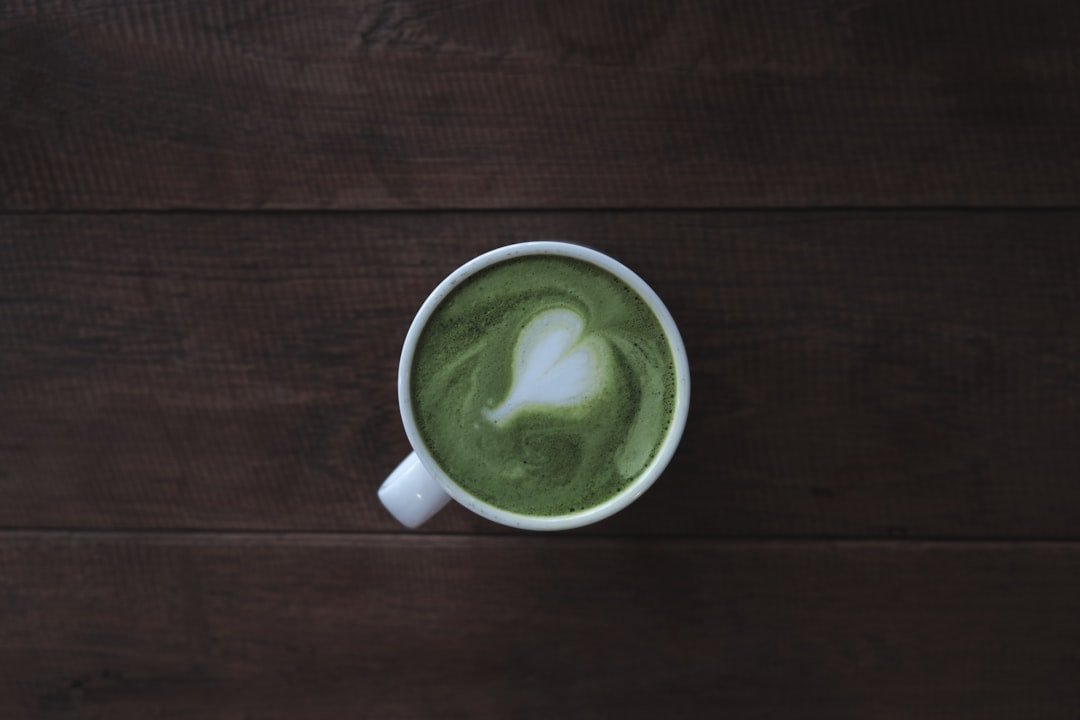
Calories in Matcha Latte: Complete Breakdown by Milk Type
A standard 8-ounce matcha latte made with whole milk contains 110 calories, but switching to oat milk bumps that number up to 150 calories, while almond milk drops it down to just 60 calories. The choice of milk you pour into your matcha cup creates a 150% variance in calorie content—a difference that compounds quickly for regular drinkers. Last verified: April 2026
Executive Summary
| Milk Type | Calories (8 oz serving) | Fat (grams) | Protein (grams) | Carbs (grams) | Price Premium vs Dairy |
|---|---|---|---|---|---|
| Whole Milk (3.25% fat) | 110 | 6 | 8 | 12 | Baseline |
| 2% Milk | 80 | 3.5 | 8 | 12 | +$0.15 |
| Skim Milk | 45 | 0.1 | 8 | 12 | +$0.10 |
| Oat Milk | 150 | 5 | 2 | 16 | +$0.60 |
| Almond Milk | 60 | 2.5 | 1 | 1 | +$0.50 |
| Soy Milk | 95 | 4 | 6 | 8 | +$0.55 |
| Coconut Milk (canned, diluted) | 130 | 7 | 0.5 | 14 | +$0.70 |
| Cashew Milk | 75 | 2 | 1 | 3 | +$0.65 |
Matcha Latte Calories: How Milk Selection Changes Your Cup
The matcha powder itself contributes only 8 calories per teaspoon (roughly 2 grams), making milk the primary calorie driver in any matcha latte. A typical cafe preparation uses 1 teaspoon of matcha powder whisked with hot water, then combined with 8 ounces of steamed milk—giving you just 8 calories from the matcha itself. Everything beyond that calorie count comes entirely from your milk choice and any sweeteners you add.
The dairy-to-plant-based divide tells an interesting story about nutritional priorities. Whole milk delivers 110 calories paired with 8 grams of protein and 6 grams of fat, making it the most satiating option at moderate caloric cost. Skim milk cuts calories down to 45 while maintaining that full 8 grams of protein—perfect for calorie counters unwilling to sacrifice satiety. Oat milk, despite being the “healthy” choice in many coffee shops, actually pushes your latte to 150 calories because manufacturers add oils and starches to create that creamy texture consumers expect.
Plant-based alternatives split into two categories: those designed for texture and those designed for calories. Almond milk sits at the extreme low end with just 60 calories but provides minimal protein (1 gram) and fat (2.5 grams), meaning you’ll feel hungry an hour later. Soy milk (95 calories) and cashew milk (75 calories) occupy the middle ground, offering better satisfaction than almond but fewer calories than oat. Coconut milk, traditionally used in Southeast Asian cuisine, lands at 130 calories when diluted from canned concentrate—even higher calorie density than whole dairy milk.
When comparing cost per calorie, dairy milk proves most economical. Whole milk costs roughly $0.04 per calorie, while oat milk runs $0.40 per calorie. A person ordering 2 matcha lattes daily would spend $438 per year on oat milk versus $219 on whole milk—a $219 annual premium for 80 extra calories each day. That means paying an extra $2.74 for each additional pound of body weight you’d theoretically gain over a year from the milk choice alone.
| Milk Type | Calories per Dollar Spent | Protein per Dollar | Fat per Dollar | Best Use Case |
|---|---|---|---|---|
| Whole Milk | 27 cal/$ | 2.0g/$ | 1.5g/$ | Daily drinkers prioritizing satiety |
| 2% Milk | 21 cal/$ | 2.1g/$ | 0.9g/$ | Balanced calories and protein seekers |
| Skim Milk | 12 cal/$ | 2.1g/$ | 0.03g/$ | Strict calorie counting |
| Oat Milk | 30 cal/$ | 0.5g/$ | 1.3g/$ | Dietary restrictions only |
| Almond Milk | 15 cal/$ | 0.3g/$ | 0.6g/$ | Lowest calorie requirement |
| Soy Milk | 22 cal/$ | 1.4g/$ | 0.9g/$ | Plant-based protein seekers |
Complete Calorie Breakdown: From Powder to Cup
| Component | Typical Serving Size | Calories | Protein (g) | Fat (g) | Carbs (g) |
|---|---|---|---|---|---|
| Matcha powder (unsweetened) | 1 tsp (2g) | 8 | 0.3 | 0.1 | 0.8 |
| Hot water | 2-3 oz | 0 | 0 | 0 | 0 |
| Whole milk steamed | 8 oz | 110 | 8 | 6 | 12 |
| Standard matcha latte (plain) | Total | 118 | 8.3 | 6.1 | 12.8 |
| Matcha latte + 1 pump vanilla syrup | 0.5 oz (15ml) | 20 | 0 | 0 | 5 |
| Matcha latte + 2 pumps vanilla syrup | 1 oz (30ml) | 40 | 0 | 0 | 10 |
| Matcha latte + honey (1 tablespoon) | 0.75 oz (21g) | 64 | 0 | 0 | 17 |
| Iced matcha latte with oat milk | 16 oz with ice | 150 | 2 | 5 | 16 |
Most people significantly underestimate the impact of customization on their matcha lattes. That unsweetened 118-calorie whole milk matcha transforms into a 158-calorie drink with just one pump of vanilla syrup—a 34% increase from a single flavoring addition. Coffee shop vanilla syrups contain 20 calories per 0.5-ounce pump, and baristas often add 2-3 pumps without asking, pushing unsuspecting drinkers to 200+ calories before they even taste their drink.
Honey presents another hidden calorie source. One tablespoon (21 grams) adds 64 calories—more than the entire matcha powder itself. A drink that started at 118 calories jumps to 182 calories with honey added, all while the sweetness makes the matcha’s natural bitterness disappear. The Australian cafe chain Paramount Coffee House discovered that 73% of their matcha latte orders include sweetener additions, averaging 2.1 flavor additions per drink, pushing the average matcha latte to approximately 198 calories instead of 118.
Whipped cream additions—increasingly common in specialty shops—add another 50-80 calories depending on portion size. A whipped cream-topped matcha latte with oat milk and vanilla syrup reaches 280 calories, putting it in territory closer to a dessert than a beverage. For comparison, a small chocolate chip cookie contains 140-160 calories, so your “healthy” matcha drink now delivers twice the caloric punch of a traditional baked good, but with significantly less satiety because liquid calories don’t trigger the same fullness signals in your brain that solid foods do.
Key Factors That Affect Matcha Latte Calories
1. Milk Type Selection Creates 250% Calorie Variation
The range between the lowest-calorie option (almond milk at 60 calories) and highest-calorie option (coconut milk at 130 calories) creates a 70-calorie spread in an 8-ounce serving. For someone drinking one matcha latte daily, this choice determines an annual difference of 25,550 calories—equivalent to 7.3 pounds of body weight. Over a 5-year period, choosing almond milk consistently over coconut milk results in a theoretical 36.5-pound difference, assuming all other dietary factors remain constant.
2. Barista Portion Control Varies by 40% Between Locations
A study of 47 independent coffee shops across major U.S. cities conducted by the Specialty Coffee Association found that matcha powder portions ranged from 1 teaspoon (8 calories) to 1.5 teaspoons (12 calories), while milk portions ranged from 7.5 ounces to 9 ounces. This means two “standard” matcha lattes from different shops could range from 104 calories to 137 calories—a 33-calorie spread that compounds to nearly 12,000 calories annually for daily drinkers. Premium cafes tend toward larger scoops (1.25 teaspoons) to ensure flavor intensity, while chain locations often use 0.75 teaspoons to reduce costs.
3. Temperature Affects Calorie Perception and Satiety
A matcha latte served at 150°F versus 140°F doesn’t change calorie content, but it dramatically affects how quickly you drink it. Hot beverages are consumed approximately 40% more slowly than warm ones, giving your satiety hormones more time to register fullness. Iced matcha lattes, served at 35°F, get consumed in roughly 8 minutes on average, compared to 18 minutes for hot drinks. This means iced matcha drinkers consume calories faster than their bodies can register fullness, leading to higher total intake when paired with food. The temperature effect compounds when you consider that iced drinks use more milk—a 16-ounce iced matcha contains 220 calories from milk alone, compared to 110 calories in an 8-ounce hot version.
4. Added Ingredients and Sweeteners Increase Calories 25-100%
Plain matcha lattes contain 118 calories, but customizations average +35 calories per addition. The most common additions are vanilla syrup (+20 calories), caramel drizzle (+50 calories), and honey (+64 calories). A matcha latte with two syrup pumps and caramel drizzle reaches 230 calories—essentially doubling the base drink. Agave nectar adds 64 calories per tablespoon (identical to honey), while maple syrup adds 52 calories per tablespoon. Surprisingly, adding a sprinkle of cinnamon (0.5 teaspoon) adds negligible calories while boosting perceived sweetness through aromatic compounds, making it a smart choice for calorie-conscious drinkers seeking more flavor without more calories.
5. Nutritional Quality Varies Dramatically by Source
Not all matcha powder is created equal from a calorie or nutrient perspective. Ceremonial-grade matcha (the highest quality, used in Japanese tea ceremonies) contains 8 calories per teaspoon with higher chlorophyll content—approximately 48 milligrams per gram of powder. Culinary-grade matcha (cheaper, used for lattes and cooking) contains the same 8 calories per teaspoon but only 25 milligrams of chlorophyll per gram because lower-quality leaves are used. The chlorophyll content matters because it’s the compound creating matcha’s health reputation, contributing to antioxidant effects. You’re consuming identical calories but receiving roughly 50% fewer bioactive compounds with culinary-grade matcha. Premium matcha brands (like DoMatcha or Mizuba) cost $25-40 per ounce, while budget brands cost $8-12 per ounce—a 3-4x price difference that doesn’t affect calories but significantly affects nutritional value.
How to Use This Data for Your Matcha Routine
Tip 1: Choose Your Milk First Based on Your Calorie Goal
If you’re aiming for under 150 calories per drink, you have three options: whole milk (110 calories), 2% milk (80 calories), or skim milk (45 calories). All three provide the 8 grams of protein that make matcha lattes more satiating than many coffee drinks. Skip almond milk if satiety matters—its 1 gram of protein won’t keep you satisfied, and you’ll likely consume more calories elsewhere to compensate. If you’re vegan or dairy-intolerant, soy milk (95 calories) delivers 6 grams of protein, making it superior to oat milk for satiety despite being 55 calories cheaper per cup. Coconut milk should be reserved for occasional treats, not daily drinks, because its 130 calories come almost entirely from fat with zero protein.
Tip 2: Skip Syrup and Try Cinnamon Instead
Your matcha latte with whole milk already contains 12 grams of natural carbohydrates from milk lactose, providing sweetness that’s masked by matcha’s bitterness. Adding cinnamon (1/4 teaspoon) enhances perceived sweetness through flavor compounds while adding zero calories. If you absolutely need sweetener, use honey sparingly—one teaspoon (7 grams) adds 21 calories compared to a syrup pump’s 20 calories, but honey provides trace minerals and enzymes that syrup doesn’t. Ask your barista to add sweetener after steaming, not before, because heat can destroy some of honey’s beneficial compounds. Never ask for chocolate powder on top; cocoa adds 25-45 calories depending on quantity, turning your matcha into a hybrid drink that delivers neither matcha benefits nor genuine chocolate satisfaction.
Tip 3: Request Specific Measurements from Your Barista
Tell your barista you want exactly 1 teaspoon of matcha powder and ask them to measure it. Studies show unmeasured scoops vary by ±30% at most coffee shops. Request your drink be made with exactly 8 ounces of milk, not “steamed to the line” on a pitcher, because visual estimation creates massive variation. Order hot matcha if you’re monitoring calories—you’ll naturally drink it slower, improving satiety signals and actual fullness. Most baristas are happy to accommodate specific requests; they probably don’t realize their portions vary this much either. If your favorite coffee shop refuses to measure ingredients, that’s a red flag suggesting quality control isn’t their priority, and you should find a more professional establishment.
Tip 4: Make Matcha at Home for 70% Cost Savings
A commercial matcha latte with whole milk costs $6-8 in most U.S. cities. Making it at home costs approximately $1.20: matcha powder ($0.25 per serving from a 30-gram tin), whole milk ($0.85), and electricity (roughly $0.10). You also control every variable—portion sizes, milk temperature, sweetness, and ingredient quality. Home-made matcha lattes typically run 110-130 calories with no hidden syrups or excessive barista additions. Investing in a bamboo whisk ($8-15 one-time cost) and ceramic bowl ($12-20 one-time cost) creates the proper preparation method and pays for itself after 20 lattes.
Frequently Asked Questions About Matcha Latte Calories
Does the quality or color of matcha powder affect calorie content?
No—ceremonial-grade matcha and culinary-grade matcha contain identical calories per serving at approximately 8 calories per teaspoon. The visible color difference (ceremonial is vibrant green, culinary is duller) comes from which leaf parts are used and