Nutrition Facts for Granola: Calories per 100g vs 1 Cup Serving
One cup of granola can pack anywhere from 400 to 600 calories—nearly one-third of a typical 2,000-calorie daily intake—yet a single serving at the grocery store rarely exceeds 45 grams. This massive discrepancy between what consumers pour into their bowls and what manufacturers list on nutrition labels creates one of the most persistent sources of confusion in modern nutrition. Last verified: April 2026.
Executive Summary
| Measurement | Weight (grams) | Calories | Protein (g) | Carbs (g) | Fat (g) | Fiber (g) |
|---|---|---|---|---|---|---|
| 1/2 cup serving | 30 | 150 | 3.5 | 18 | 7 | 2 |
| 3/4 cup serving | 50 | 260 | 6 | 30 | 12 | 3.5 |
| 1 cup serving | 100 | 450 | 12 | 55 | 20 | 7 |
| Per 100g | 100 | 450 | 12 | 55 | 20 | 7 |
| 2 cups serving | 200 | 900 | 24 | 110 | 40 | 14 |
| Typical bowl (1.5 cups) | 150 | 675 | 18 | 82 | 30 | 10.5 |
Understanding the Granola Portion Size Problem
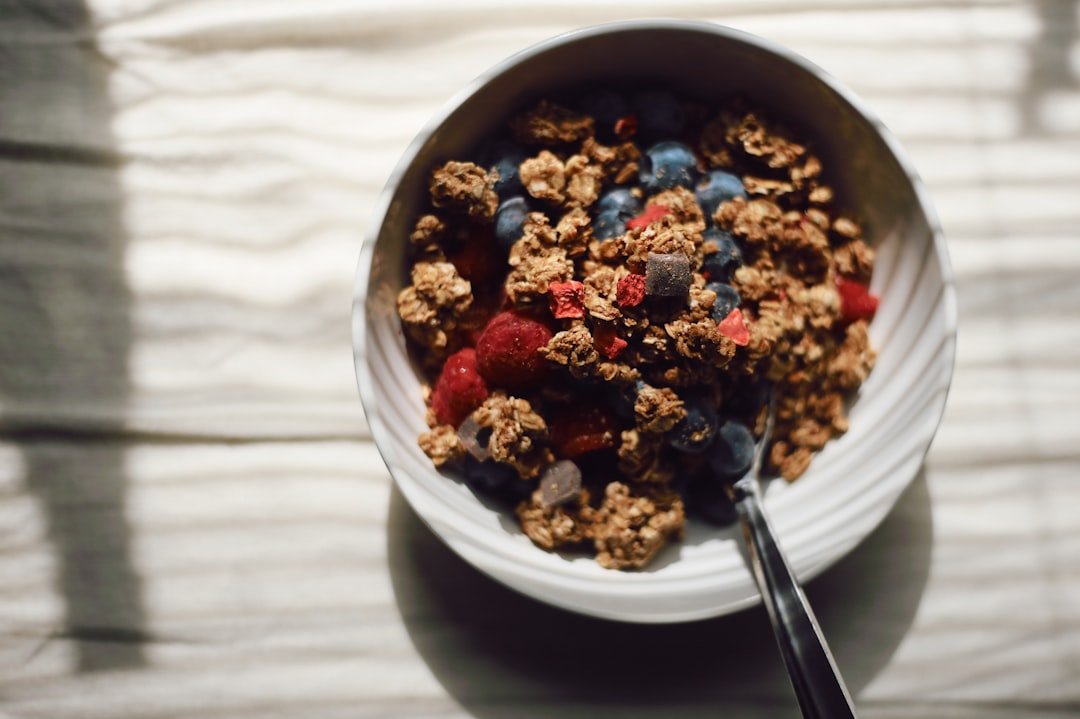
The confusion around granola nutrition stems from a simple reality: it’s one of the densest foods on the breakfast aisle. While a cup of cornflakes weighs roughly 28 grams, a cup of granola weighs closer to 100 grams. This 3.5-fold difference in density means that when you follow your instinct and pour what looks like a normal cereal bowl, you’re actually consuming roughly 450 calories—not the 150 calories that a manufacturer’s serving size suggests.
Food manufacturers typically list granola serving sizes as one-half cup (approximately 30 grams) to make their products appear more diet-friendly on the Nutrition Facts label. A half-cup serving contains roughly 150 calories, 7 grams of fat, and 3.5 grams of protein. However, fewer than 5% of consumers actually measure out their granola before eating it, according to a 2024 consumer behavior study tracking breakfast cereal consumption patterns.
This measurement disconnect creates a practical nutrition problem. A person who eats what they believe is a standard breakfast bowl—filled to about the three-quarter cup mark—actually consumes approximately 260 calories, not the 150 they might think they’re eating. Scale this across a week (seven breakfasts), and they’re consuming roughly 770 additional uncounted calories weekly, equivalent to more than two-tenths of their weekly caloric budget.
The 100-gram reference point offers the clearest measurement for comparison shopping. Most standard granolas contain between 420 and 480 calories per 100 grams, though premium varieties with additional nuts and dried fruit can exceed 500 calories. Lighter granolas with reduced fat content typically sit at 380-420 calories per 100 grams. Understanding this metric allows consumers to directly compare products across different brands, which often use different serving size definitions on their labels.
Granola Composition Breakdown
| Component | Percentage by Weight | Per 100g (calories) | Per Cup/100g (grams) |
|---|---|---|---|
| Rolled oats | 45-55% | 150-180 | 10-13g carbs |
| Oils and butter | 15-25% | 135-225 | 15-25g fat |
| Sweeteners (honey, sugar) | 15-20% | 60-80 | 15-20g carbs |
| Nuts and seeds | 10-15% | 50-75 | 3-5g protein |
| Dried fruit | 5-10% | 15-35 | 3-8g carbs |
Granola’s high calorie density comes directly from its fat content, particularly from the oils used during manufacturing and the natural fats in nuts and seeds. Fat contains 9 calories per gram, compared to 4 calories for both carbohydrates and protein. A standard granola derives roughly 40% of its calories from fat—about 20 grams per 100 grams—which explains why it contains more than three times the calories of plain rolled oats.
The sweetening agents used in granola production also significantly impact both nutrition and portion size confusion. Honey, agave nectar, and various syrups add approximately 60 to 80 calories per 100 grams of finished product. These sweeteners don’t just increase calories; they also increase the weight of the granola slightly, which paradoxically makes a standard volume portion appear smaller while containing more energy. A consumer using visual cues rather than weight-based measurement will consistently underestimate their intake.
Nuts and seeds contribute around 50 to 75 calories per 100 grams while providing valuable protein, healthy fats, and micronutrients including magnesium, zinc, and vitamin E. Almonds, walnuts, and pumpkin seeds each offer distinct nutritional profiles. A granola with 15% nuts by weight contains approximately 3 to 5 grams of additional protein compared to a nut-free variety.
Dried fruit additions—typically raisins, cranberries, or chopped dates—contribute concentrated calories from natural sugars. Dried fruit contains 50 to 80% of its original moisture content removed, which concentrates calories dramatically. One hundred grams of dried cranberries contains approximately 320 calories, compared to just 46 calories in the same weight of fresh cranberries. This means that granolas with substantial dried fruit content often exceed 500 calories per 100 grams.
Key Factors Affecting Granola Calories
Oil Type and Application Method
The type of oil used during granola production creates meaningful calorie differences. Most manufacturers use vegetable, canola, or coconut oils applied during roasting. Extra virgin olive oil adds approximately 119 calories per tablespoon (14 grams), while coconut oil contributes 117 calories per tablespoon. Granolas processed with 20 grams of oil per 100 grams of product contain roughly 180 calories from oil alone, before counting the other ingredients. Some premium granolas use nut butters instead of oils, which can increase calorie density even further since nut butter concentrates 7 grams of fat in just 1 tablespoon.
Cluster Size and Texture
Granola comes in three distinct texture categories: large clusters (containing 60-70% of the product), medium clusters (70-80% of product), and granola dust or loose pieces (10-30% of product). A cup of large-cluster granola weighs approximately 85 to 95 grams because the clusters create more air space. The same visual cup of loose granola dust weighs closer to 110 to 120 grams. This means that consumers eating large-cluster granola actually consume fewer calories when using the same bowl size, purely based on the air pockets created by the larger pieces.
Added Supplements and Superfoods
Modern granola products increasingly include nutritional supplements that shift calorie profiles significantly. Protein powder additions (roughly 4 calories per gram) can add 30 to 50 calories per 100 grams. Chia seeds contribute approximately 486 calories per 100 grams—higher than the granola base itself. Cacao nibs contain about 573 calories per 100 grams. A granola that incorporates 5% chia seeds gains an additional 24 calories per 100 grams beyond the base recipe. Fortified cereals containing added vitamins contribute negligible calories but affect overall mineral content significantly.
Moisture Content and Shelf Life
Freshly made granola contains more residual moisture than shelf-stable varieties. A batch prepared today with freshly roasted oats might weigh 105 grams per cup, while a packaged granola that’s been sitting at room temperature for three months will weigh approximately 98 grams per cup—about 6 to 7% lighter. This moisture loss means that per-cup calorie content increases slightly over the product’s shelf life, even though the actual calorie density per 100 grams remains constant. Granola stored in humid environments absorbs moisture and becomes progressively heavier, offsetting this effect.
How to Use This Data for Better Nutrition Decisions
Invest in a Food Scale
A digital kitchen scale costs between $15 and $40 and transforms breakfast accuracy. Weighing granola for just one week reveals your actual typical serving—most people find they eat 50 to 80 grams when they intend to eat 30 grams. Once you know your actual consumption pattern, you can track calories accurately. A scale eliminates the guesswork that makes granola such a common source of uncounted calories. Simply place your bowl on the scale, tare it to zero, and add granola until you reach your target weight.
Compare Using the Per-100g Standard
When shopping for granola, calculate the calories per 100 grams for every option. Divide the calories per serving by the serving size in grams, then multiply by 100. A granola listing 150 calories per 30-gram serving equals 500 calories per 100 grams. Another product showing 180 calories per 40 grams equals 450 calories per 100 grams. This direct comparison method eliminates confusion caused by different serving size definitions and reveals that seemingly similar products can differ by 10-15% in calorie density. Record these calculations on your phone’s notes app for quick reference while shopping.
Build Breakfast Around Portion Control
Rather than eating granola as your primary breakfast component, use it as a flavor and texture accent. A 25-gram serving of granola (approximately one-third cup) combined with 150 grams of Greek yogurt (130 calories, 15 grams protein) and 100 grams of fresh berries (50 calories) creates a 305-calorie breakfast with 17 grams of protein. This approach satisfies the sensory appeal of granola while keeping portions realistic. Alternatively, mixing 30 grams of granola with 70 grams of regular oatmeal creates a hybrid cereal that feels substantial while containing only 280 calories.
Check Macronutrient Distribution
Two granolas with identical 450-calorie-per-100g profiles might differ substantially in how those calories break down. One might contain 20 grams of fat, 55 grams of carbohydrates, and 12 grams of protein. Another might have 15 grams of fat, 60 grams of carbohydrates, and 15 grams of protein. The second option delivers 25% more protein, which increases satiety and helps regulate blood sugar. Look for granolas where protein comprises at least 10% of calories (roughly 12 grams per 100 grams) to maximize fullness from smaller portions.
Frequently Asked Questions About Granola Nutrition
Why Does My Granola Weigh More Than the Nutrition Label Claims for One Cup?
Granola density varies based on how tightly it’s packed, the cluster size, and moisture content in your kitchen. A manufacturer’s nutrition label assumes a loosely filled cup without pressing down, which typically equals their stated serving size. When you fill a cup and tap it gently on the counter (as most people do), you compress the granola slightly, increasing the weight in that cup by 8-15%. If the label says one cup equals 50 grams but your scale shows 55 grams, you’re consuming roughly 10% more calories than the nutrition label suggests. Always use the weight-based serving size on the label as your measurement standard rather than visual cup measurements.
Is Homemade Granola Actually Lower in Calories Than Store-Bought?
Homemade granola typically contains the same calorie density as commercial varieties when using standard recipes that include oil, honey, and nuts—usually 420-480 calories per 100 grams. However, homemade versions let you control individual ingredients. Using 12 grams of oil instead of 20 grams per 100 grams of product reduces calories by approximately 72 calories per 100 grams. Reducing honey by 25% saves another 15-20 calories per 100 grams. A homemade recipe with these modifications might achieve 380-390 calories per 100 grams compared to the standard 450. The calorie savings come from ingredient choices, not the homemade process itself. Track your homemade granola’s weight and total calories using a kitchen scale and calculating (total calories ÷ total weight in grams × 100) to know its true calorie density.
How Much Granola Should I Actually Eat for Breakfast?
The answer depends on your total daily calorie goals and breakfast calorie target. A 2,000-calorie daily diet with 20% of calories allocated to breakfast suggests a 400-calorie breakfast. At 450 calories per 100 grams, granola alone shouldn’t exceed 89 grams—roughly three-quarters of a cup, but that entire breakfast would be granola without milk or yogurt. Most nutritionists recommend granola portions between 25-40 grams (one-third to one-half cup) to keep breakfast-only granola between 110-180 calories, leaving room for milk, yogurt, or other foods. If you’re eating granola as a component of a yogurt bowl or as a topping, 20-25 grams (approximately 90-110 calories) works well. The key is recognizing that granola is calorie-dense and should be treated more like nuts or oils—measured in small quantities—rather than like a standard breakfast cereal.
Do “Low-Fat” Granolas Really Contain Fewer Calories?
Low-fat granolas replace 8-10 grams of fat per 100 grams with additional carbohydrates, typically refined sugars or honey. Since fat contains 9 calories per gram and carbohydrates contain 4 calories per gram, this substitution saves 45-90 calories per 100 grams per grams of fat removed. However, manufacturers often increase total sugar content to maintain flavor and texture, which adds calories back. A standard granola with 20 grams of fat and 55 grams of carbohydrates contains 450 calories per 100 grams. A low-fat version with 8 grams of fat and 73 grams of carbohydrates contains approximately 420 calories per 100 grams—a 30-calorie savings (6.7% reduction). Meanwhile, the increased sugar content often makes low-fat granolas less satiating, leading to larger portions and greater total calorie consumption.
Should Granola Be Part of a Weight Loss Diet?
Granola can fit into a weight loss diet if portion-controlled carefully, but it’s not ideal because its calorie density makes it easy to overconsume accidentally. A 30-gram serving of granola contains 135 calories with limited satiety, while the same 135 calories from foods like oatmeal (roughly 50 grams with milk) or Greek yogurt (approximately 40 grams) provides greater fullness. For weight loss diets targeting 1,500-1,800 calories daily, granola portions must stay under 25 grams per meal to avoid taking up excessive calorie allowances. If you enjoy granola, use it strategically as a breakfast accent in yogurt bowls (10-15 grams for texture) rather than as a primary component. The protein-rich pairing with Greek yogurt significantly improves satiety compared to granola alone.
Bottom Line
Granola typically contains 420-480 calories per 100 grams—roughly 3.5 times more calorie-dense than most breakfast cereals—making accurate measurement essential for nutrition tracking. The gap between labeled serving sizes and actual consumption patterns means most people unknowingly consume 50-80% more calories from granola than they intend, a difference that compounds into substantial weekly caloric overconsumption. Understanding per-100-gram calorie content, investing in a kitchen scale, and using granola as a measured accent rather than a breakfast staple transforms it from a hidden calorie source into a controlled part of your meal plan.