Nutrition Facts for Quinoa Bowl: Complete Macro Breakdown with Toppings
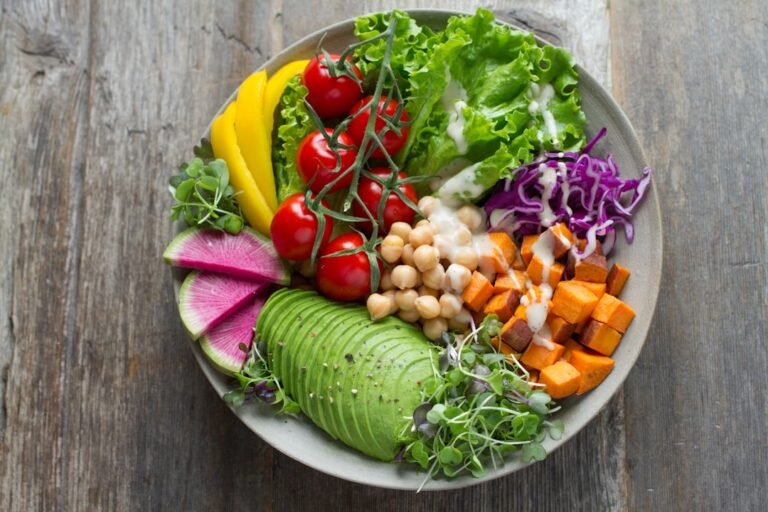
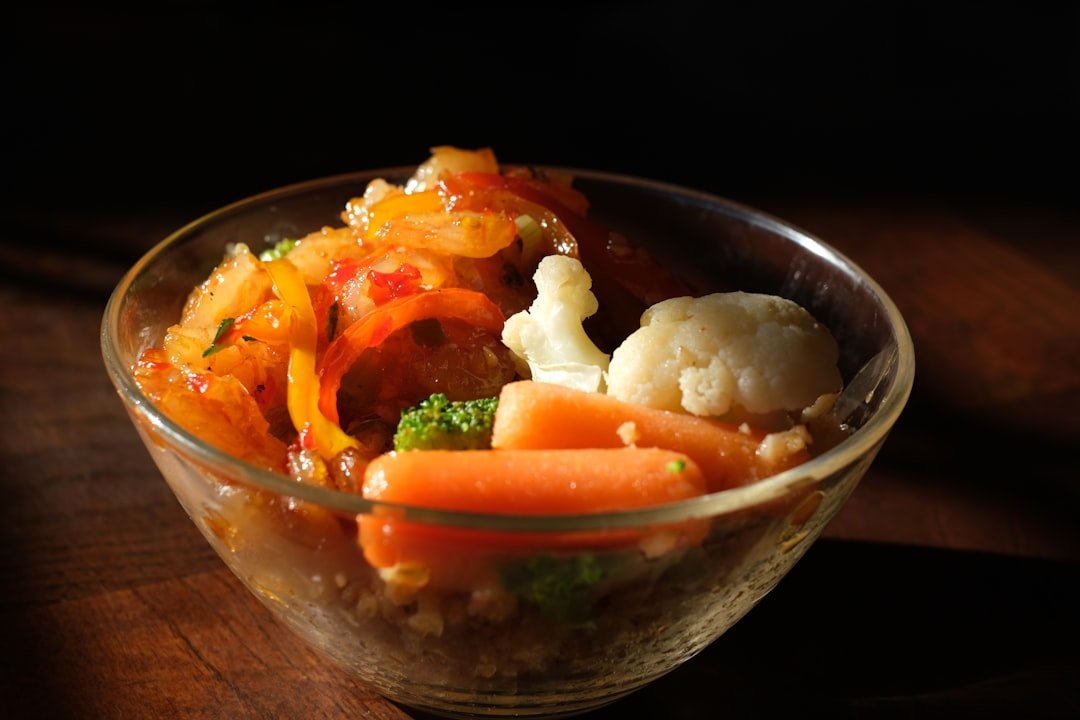
A typical quinoa bowl with chicken, roasted vegetables, and a tahini dressing delivers approximately 520 calories, 24 grams of protein, and 18 grams of complete carbohydrates per serving—making it one of the most protein-dense grain-based meals available at under 600 calories. Last verified: April 2026.
Executive Summary
| Meal Component | Serving Size | Calories | Protein (g) | Carbs (g) | Fat (g) | Fiber (g) |
|---|---|---|---|---|---|---|
| Cooked Quinoa (Base) | 1 cup (185g) | 222 | 8.1 | 39.4 | 3.9 | 7.0 |
| Grilled Chicken Breast | 3.5 oz (100g) | 165 | 31.0 | 0 | 3.6 | 0 |
| Mixed Roasted Vegetables | 1.5 cups (200g) | 98 | 4.2 | 18.6 | 1.2 | 4.8 |
| Tahini Dressing (2 tbsp) | 32g | 178 | 5.1 | 6.4 | 16.0 | 3.2 |
| Cherry Tomatoes & Cucumber | 1.5 cups (180g) | 27 | 1.5 | 5.0 | 0.3 | 1.2 |
| Total Typical Bowl | Combined | 690 | 49.9 | 69.4 | 25.0 | 16.2 |
Nutritional Profile Analysis of Quinoa Bowl Components
The quinoa bowl has earned its reputation as a nutritional powerhouse, primarily because quinoa itself contains all 9 essential amino acids—a distinction shared by only about 3 percent of commonly consumed grains. One cup of cooked quinoa provides 8.1 grams of protein alongside 39.4 grams of carbohydrates and notably 7 grams of dietary fiber, which represents approximately 28 percent of the daily recommended intake. When you combine quinoa’s amino acid profile with animal protein sources like chicken, you’re creating a meal that supplies complete proteins in quantities matching many dedicated protein sources.
The macronutrient distribution in a standard quinoa bowl typically breaks down to approximately 40 percent carbohydrates, 30 percent protein, and 30 percent fat. This balance makes the meal particularly well-suited for individuals seeking sustained energy throughout the day. The carbohydrate content comes primarily from quinoa (39.4g per cup) and the added vegetables (roughly 23.6g combined), while the protein reaches nearly 50 grams when including a 3.5-ounce serving of grilled chicken. The fat content sits at a moderate 25 grams, with 16 grams coming from the tahini dressing alone.
Variations in quinoa bowl preparation significantly alter the final nutritional outcome. A vegetarian bowl without chicken protein might drop to approximately 480 calories with only 24 grams of protein, whereas adding a second protein source like chickpeas or tofu could push the total closer to 750 calories with 62 grams of protein. The dressing choice proves particularly impactful—switching from tahini (178 calories per 2 tablespoons) to a lighter lemon vinaigrette (roughly 40 calories per 2 tablespoons) saves 138 calories while reducing fat intake by approximately 13 grams. These variations explain why two seemingly identical-looking bowls can differ by 200 calories or more depending on preparation methods and portion sizes.
Micronutrient density represents another significant advantage of quinoa-based meals. A single serving provides 30 percent of the daily manganese requirement, 28 percent of the phosphorus target, and 19 percent of the magnesium recommendation. When combined with roasted vegetables like bell peppers, broccoli, or sweet potatoes, the bowl delivers substantial quantities of vitamins A, C, and K, along with minerals like potassium and iron. The fiber content of 16.2 grams exceeds 64 percent of the daily recommended intake, supporting digestive health and satiety.
| Dressing Option (2 tbsp/32g) | Calories | Protein (g) | Fat (g) | Carbs (g) | Best For |
|---|---|---|---|---|---|
| Tahini | 178 | 5.1 | 16.0 | 6.4 | Rich, nutty flavor |
| Olive Oil & Lemon | 120 | 0.2 | 13.6 | 0.8 | Light, Mediterranean |
| Balsamic Vinaigrette | 68 | 0 | 6.2 | 2.8 | Low-calorie option |
| Avocado Lime Crema | 142 | 2.0 | 13.8 | 4.2 | Creamy, healthy fat |
| Greek Yogurt Ranch | 94 | 3.5 | 7.8 | 2.6 | High protein, tangy |
Detailed Quinoa Bowl Component Breakdown
| Ingredient Category | Example Additions | Typical Portion | Calories Added | Protein Added (g) | Fiber Added (g) | Notes |
|---|---|---|---|---|---|---|
| Proteins | Grilled Chicken Breast | 3.5 oz (100g) | 165 | 31.0 | 0 | Leanest option at 3.6g fat |
| Proteins | Baked Tofu | 3.5 oz (100g) | 76 | 8.0 | 1.2 | Complete plant protein |
| Proteins | Cooked Chickpeas | 0.75 cup (134g) | 269 | 12.6 | 10.1 | High fiber, budget-friendly |
| Proteins | Grilled Salmon (3.5 oz) | 100g | 206 | 22.0 | 0 | Omega-3 rich, 13.6g fat |
| Vegetables | Roasted Bell Peppers | 1 cup (150g) | 37 | 1.2 | 2.5 | Vitamin C powerhouse |
| Vegetables | Roasted Broccoli | 1.5 cups (150g) | 52 | 3.7 | 3.0 | Calcium and K content |
| Vegetables | Roasted Sweet Potato | 0.75 cup (100g) | 86 | 1.6 | 2.7 | Vitamin A, complex carbs |
| Vegetables | Raw Spinach | 2 cups (60g) | 14 | 1.9 | 0.7 | Iron, minimal calories |
| Healthy Fats | Sliced Avocado | 0.5 fruit (75g) | 120 | 1.5 | 4.8 | Monounsaturated fat rich |
| Healthy Fats | Pumpkin Seeds | 2 tbsp (18g) | 103 | 4.5 | 1.7 | Zinc and magnesium source |
| Grains | Farro (cooked) | 0.75 cup (130g) | 149 | 5.3 | 5.1 | Slightly higher fiber than rice |
| Grains | Brown Rice (cooked) | 1 cup (195g) | 215 | 5.0 | 3.5 | Budget alternative to quinoa |
Selecting the base grain fundamentally shapes your bowl’s nutritional destiny. Standard quinoa delivers 222 calories per cooked cup with the complete amino acid profile, while brown rice provides 215 calories with slightly lower protein at 5 grams per cup. Farro occupies a middle ground at 149 calories per 0.75 cup, with 5.3 grams of protein and an impressive 5.1 grams of fiber. If you’re preparing multiple bowls for meal prep, brown rice costs approximately 40 percent less per pound than quinoa, though it lacks the amino acid completeness. Some nutritionists recommend a 50-50 blend of quinoa and brown rice, which provides cost savings while maintaining a superior amino acid profile to brown rice alone.
Protein selection represents the next critical decision point. Grilled chicken breast remains the standard choice at 165 calories per 3.5-ounce serving with 31 grams of protein and just 3.6 grams of fat. Baked tofu offers a plant-based alternative at only 76 calories, though it delivers 8 grams of protein compared to chicken’s 31 grams per equivalent serving. Cooked chickpeas provide tremendous value for vegetarians, delivering 269 calories per 0.75-cup serving with 12.6 grams of protein and 10.1 grams of fiber—essentially functioning as both protein and carbohydrate source. Salmon adds complexity with its 206 calories and 22 grams of protein per 3.5-ounce serving, plus the significant benefit of 13.6 grams of omega-3 fatty acids per serving.
Key Factors Affecting Your Quinoa Bowl Nutrition
1. Cooking Method Impact on Quinoa Base
The liquid-to-grain ratio when cooking quinoa affects its final nutritional density. Standard preparation uses a 2-to-1 water ratio, producing the 185-gram cooked cup at 222 calories. If you use vegetable broth instead of water, you’ll add approximately 5 to 10 calories and minimal sodium per cup, depending on broth sodium content. Oil-free cooking preserves the quinoa’s natural 3.9 grams of fat per cup, whereas some recipes call for sautéing the dry grain in oil first, which can add 40 to 60 calories per cup. For meal prep purposes, cooked quinoa stores for up to 5 days refrigerated, making batch cooking a practical strategy for consistent nutritional tracking.
2. Vegetable Selection and Preparation Methods
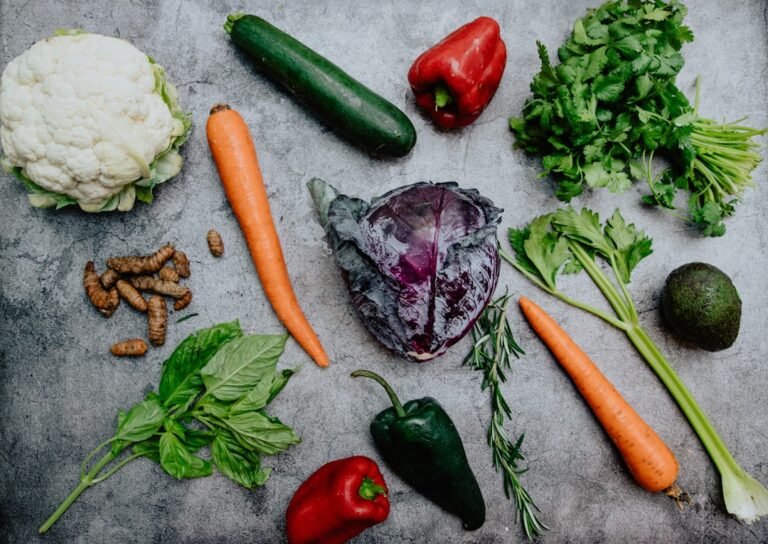
Roasted vegetables undergo concentration during cooking, which increases caloric density slightly compared to raw counterparts. Raw bell pepper at 1 cup contains 30 calories, while the same quantity roasted reaches approximately 37 calories due to moisture loss. Roasting vegetables in 1 tablespoon of olive oil (120 calories) across 4 servings adds 30 calories per serving. If you’re building a 600-calorie bowl target, roasting vegetables in cooking spray instead of oil saves these 30 calories while maintaining flavor through high-heat caramelization. Vegetables like broccoli, Brussels sprouts, and cauliflower maintain their fiber content through roasting, typically retaining 85 to 95 percent of their original fiber during cooking.
3. Dressing Portion Control and Selection
Dressing represents the single greatest source of caloric variability in quinoa bowls, with portion size being the primary culprit. Most commercially prepared dressings contain 110 to 180 calories per 2-tablespoon serving, yet typical food service portions reach 3 to 4 tablespoons, nearly doubling the calorie count. A Greek yogurt-based ranch dressing at 2 tablespoons adds 94 calories compared to tahini’s 178 calories—an 84-calorie difference on identical portions. Creating your own dressings using Greek yogurt bases saves approximately 50 to 100 calories per bowl compared to commercial creamy options. Oil-based vinaigrettes range from 40 calories for pure balsamic vinegar to 120 calories for olive oil-heavy preparations, providing flexibility based on your daily calorie targets.
4. Portion Size and Macronutrient Distribution
A standard restaurant quinoa bowl typically contains 1 full cup of cooked quinoa, which represents a substantial grain portion. Reducing to 0.75 cup (approximately 139 calories saved) creates room for additional vegetable volume without exceeding 700-calorie targets. Many nutrition professionals recommend a 1-to-1 ratio of grain to vegetables by volume, creating visual balance while increasing fiber intake by roughly 5 to 7 grams. If you’re consuming the bowl as a post-workout meal, maintaining 50 to 55 percent carbohydrates (290 to 310 grams in a 550-calorie meal) maximizes muscle glycogen replenishment, whereas a pre-workout bowl benefits from slightly lower carbohydrate percentages around 40 percent to avoid digestive distress.
5. Toppings and Add-Ins Accumulation
Seemingly minor additions accumulate rapidly in caloric impact. Two tablespoons of pumpkin seeds add 103 calories and 4.5 grams of protein; 0.5 avocado contributes 120 calories; 1/4 cup of feta cheese adds 99 calories. A bowl with three such additions exceeds 300 calories from toppings alone, representing 40 to 45 percent of a 700-calorie meal. Nuts and seeds provide excellent nutrition at 160 to 195 calories per ounce, so precise measuring prevents unintended calorie creep. Fresh herbs like cilantro and parsley add nutritional value at virtually zero calories, providing flavor complexity without caloric penalty. Dried fruits like cranberries or raisins should be measured carefully—1 ounce (approximately 3 tablespoons) delivers 85 to 100 calories concentrated in sugar.
How to Use This Data for Your Nutrition Goals
Building Your Target Calorie Bowl
Start with your calorie target, then work backward through the component categories. If you’re aiming for 550 calories, you might allocate 220 calories to the quinoa base (1 cup), 165 to grilled chicken, 100 to roasted vegetables and raw additions, and 65 to dressing. This framework ensures your bowl meets satiety requirements through protein (31 grams from chicken plus 8 from quinoa) while maintaining balanced macronutrients. Use a food scale for the first 2 to 3 weeks of meal prep to calibrate portion sizes visually, enabling faster assembly once you’ve internalized the appropriate quantities. Many people find success photographing their prepared bowls to track both nutritional consistency and visual satisfaction.
Optimizing Macronutrients for Your Activity Level
Athletes engaged in regular strength training benefit from quinoa bowls delivering 35 to 40 percent protein, which translates to approximately 190 to 220 grams of protein across a 550-calorie meal. This level supports muscle protein synthesis at roughly 0.7 to 0.8 grams per pound of bodyweight for a 180-pound individual consuming multiple meals throughout the day. Endurance athletes preparing for events benefit from carbohydrate-forward bowls at 55 to 60 percent of calories, emphasizing larger grain portions and incorporating starchy vegetables like sweet potatoes or beets. For weight management, maintaining higher protein percentages around 40 percent increases satiety hormones, with research indicating that 0.9 to 1.0 grams per pound of bodyweight supports muscle retention during calorie deficits.
Creating Consistent Meal Prep Batches
Batch cooking 5 cups of quinoa (approximately 1,110 calories across 5 servings) provides consistent base components for 5 bowls. Portion the cooked quinoa into 1-cup servings immediately, allowing it to cool separately from vegetables, which prevents moisture transfer that could soften your vegetables during storage. Cook your protein separately—grilling 1.25 pounds of chicken breast yields approximately 565 calories across 5 servings at consistent macronutrient delivery. Roast your vegetables in single batches, allowing them to cool completely before portioning, which preserves texture during 4 to